Allergies Today: What Your Body Is Trying to Tell You
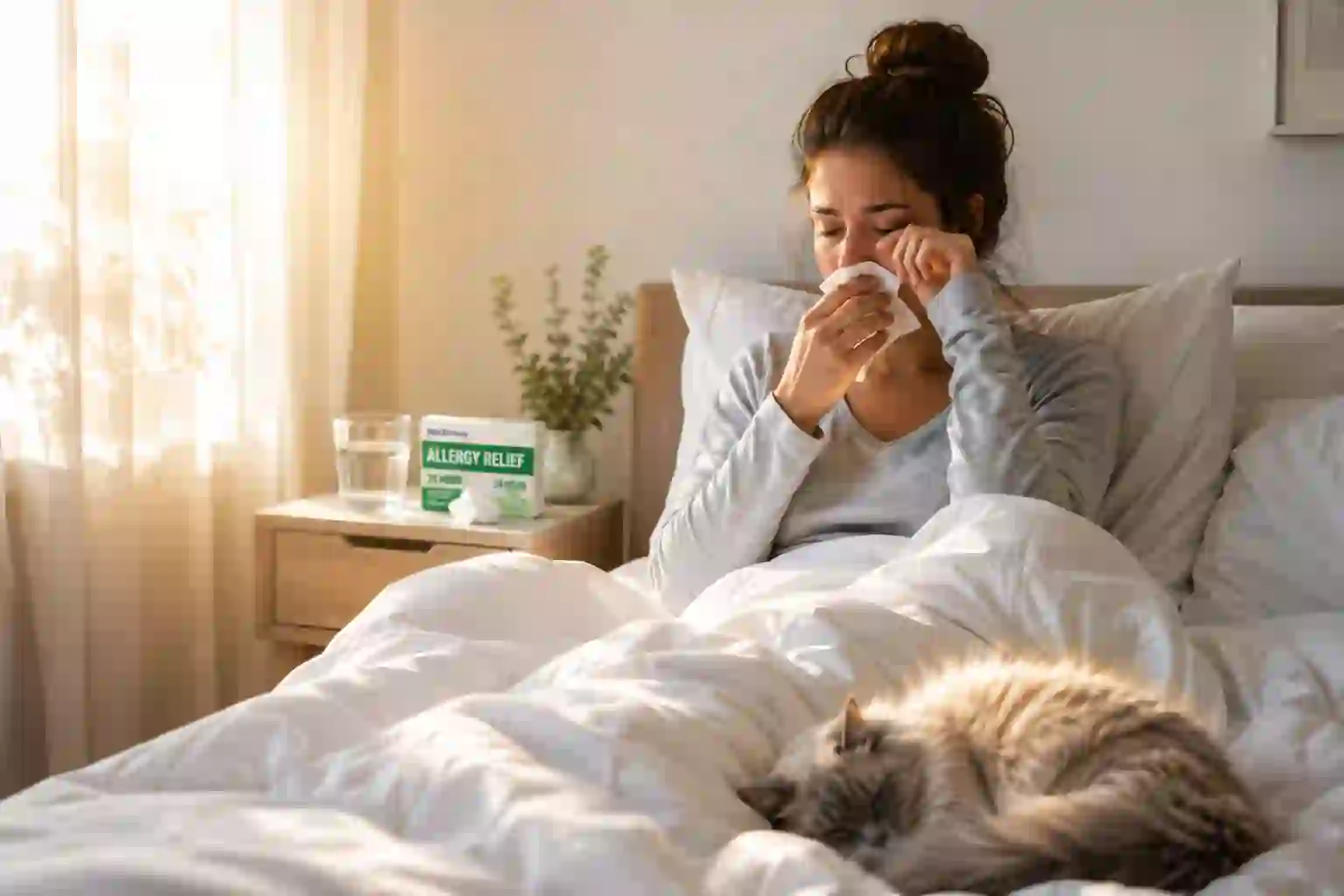
You wake up with a scratchy throat. Your eyes feel like sandpaper. You reach for a tissue before your feet hit the floor. You ask yourself one question: Is this a cold, or is it allergies today?
If that scene feels familiar, you are not alone. Allergies today are not the same as they were ten years ago. Pollen seasons stretch longer. Food sensitivities appear without warning. Even your beloved dog or cat can suddenly trigger a sneezing fit. This guide breaks down what human allergies actually are, why they happen, and what you can do about them right now.
What Are Allergies? A Simple Breakdown for Humans
Your immune system acts like a security guard. When it spots a threat — a virus, a bacteria — it attacks. An allergy happens when that guard mistakes something harmless for a dangerous intruder.
Dust, pollen, peanut butter, cat dander. None of these things should cause a fight. But for millions of people, the body sounds a false alarm. It releases histamine. Histamine causes inflammation. Sneezing, itching, swelling, or worse are signs of that inflammation.
Think of allergies as a case of mistaken identity. Your body means well. It just gets it wrong sometimes. This is the core of allergies today — a world where human immune systems overreact to everyday substances at rates higher than any previous generation.
Human allergies fall into several broad categories:
- Seasonal allergies (hay fever from pollen)
- Perennial allergies (year-round from dust mites, mold)
- Food allergies (immune reaction to specific proteins)
- Skin allergies (contact dermatitis, eczema triggers)
- Drug allergies (reactions to medications)
- Insect sting allergies (bee, wasp venom)
- Pet allergies (dander from cats, dogs, other animals)
Each type shares a common root: an immune system that identifies a harmless substance as a threat.
Human Allergy Symptoms: Spot Them in Seconds
You need to know if you are dealing with allergies or something else. Here is what human allergies symptoms look like:
Immediate signs in humans:
- Sneezing that comes in rapid bursts
- Clear, watery nasal discharge
- Itching in the nose, roof of the mouth, or ears
- Red, watery, puffy eyes
- Skin hives or raised welts
Lingering signs in humans:
- A dry cough that will not quit
- Postnasal drip making your throat sore
- Dark circles under your eyes (doctors call these allergic shiners)
- Feeling foggy and tired for no clear reason
- Eczema flare-ups or skin rashes
Serious signs — get medical help fast:
- Swelling of the lips, tongue, or throat
- Difficulty swallowing or breathing
- Sudden drop in blood pressure
- Hives spreading quickly across the body
- Anaphylaxis — a life-threatening full-body reaction
Allergies today show up differently in different people. One person sneezes. Another gets hives. A third feels only fatigue. The variability makes diagnosis tricky without proper testing.
Allergies vs Cold: Stop Guessing, Start Knowing
This is the biggest source of confusion for human allergy sufferers. You feel awful. Is it a virus or is it allergies today? Check this table:
| Symptom | Allergies | Common Cold |
| Onset | Immediate after exposure | Gradual over 1–3 days |
| Nasal discharge | Clear and watery | Thick, yellow or green |
| Itching (nose/eyes) | Very common | Rare |
| Fever | Never | Sometimes, low-grade |
| Body aches | Rare | Common |
| Duration | Weeks (as long as trigger is present) | 7–10 days |
| Cough | Dry, from drip | Can be productive |
Can allergies cause sore throat? Yes. Postnasal drip irritates the throat lining. Can allergies cause fever? No. If your temperature rises above normal, think infection, not allergies. Can allergies make you tired? Absolutely. The constant immune response drains energy. Many humans with allergies today report “brain fog” as their most disruptive symptom.
Seasonal Allergies: Why This Year Feels Worse for Humans
Seasonal allergies hit when trees, grasses, and weeds release pollen. Spring brings tree pollen. Summer means grass pollen. Fall belongs to ragweed. Humans in temperate climates often face two or three distinct allergy seasons per year.
The problem allergies today present? Growing seasons are longer. Research from the Asthma and Allergy Foundation of America shows pollen counts rising and seasons extending by weeks compared to the 1990s. More pollen over more days equals more human suffering.
How to treat seasonal allergies:
- Check daily pollen counts online before going out.
- Keep windows closed during high-pollen hours (5 AM to 10 AM).
- Shower and change clothes after working or exercising outside.
- In your bedroom, use a HEPA air purifier.
- Talk to your doctor about antihistamines or nasal spray for allergies before the season peaks.
Food Allergies: When a Meal Becomes a Human Health Threat
Food allergies are not the same as food intolerances. An allergy involves the human immune system. An intolerance involves digestion. Confusing the two can be dangerous.
Top food allergy triggers in humans:
- Peanuts and tree nuts
- Shellfish and fish
- Milk
- Eggs
- Soy
- Wheat
- Sesame
Reactions can range from mild tingling in the mouth to anaphylaxis — a life-threatening response requiring immediate epinephrine. If you suspect a food allergy, request skin prick testing or IgE blood testing from an allergist. Do not self-diagnose. Allergies today related to food are rising globally, especially among children.
Pink Eye vs Allergies: Red Eyes, Different Causes
Your eye is gritty and inflamed when you wake up.Is it pink eye or eye allergies? The difference matters. Pink eye (conjunctivitis) is often contagious. Allergic conjunctivitis is not.
Here is how human eye symptoms differ:
Allergic eye symptoms in humans:
- Both eyes affected equally
- Intense itching
- Clear, watery discharge
- Accompanied by sneezing or nasal symptoms
Infectious pink eye in humans:
- Often starts in one eye
- Gritty, burning sensation more than itching
- Thick yellow or green discharge
- Eyelashes stuck together in the morning
Are allergies contagious? No. You cannot catch or spread allergies through contact. Bacterial or viral pink eye can spread quickly.
For relief, eye drops for allergies containing antihistamines or mast cell stabilizers work well. Over-the-counter brands include Zaditor and Pataday. Consult your pharmacist for the right match.
Human Allergies: Understanding the Full Body Response
When people talk about allergies today, they often focus on sneezing. But human allergies affect multiple body systems simultaneously.
Respiratory system: Nasal passages swell. Airways constrict. Wheezing and asthma attacks can follow in sensitive individuals.
Skin: Hives appear within minutes of exposure. Eczema patches worsen. Contact dermatitis from metals, fragrances, or latex creates red, angry rashes.
Digestive system: Food allergies cause nausea, vomiting, diarrhea, and abdominal pain. These symptoms can appear within minutes or up to two hours after eating.
Cardiovascular system: In severe anaphylaxis, blood vessels dilate rapidly. Blood pressure drops. The heart races to compensate.
Nervous system: The histamine release affects brain function. Many humans report feeling anxious, irritable, or unable to concentrate during allergy flares.
Understanding this full-body involvement explains why allergies symptoms go far beyond a runny nose.
Pet Allergies: When Human Bodies React to Animals
You love your dog or cat. But your human sinuses do not share the affection. Cat allergies and dog allergies are not actually caused by fur. The culprit is dander — tiny flakes of skin — along with proteins in saliva and urine.
Human reactions to pets include sneezing, itchy eyes, wheezing, and skin rashes. Some people develop symptoms within minutes of entering a room where a pet lives.
What is the best pet for allergies?
No dog or cat is 100% hypoallergenic. However, some breeds produce less dander:
- Dogs: Poodles, Bichon Frises, Portuguese Water Dogs, Maltese
- Cats: Siberian, Balinese, Devon Rex, Sphynx
What helps with allergies to pets:
- Bathe your pet weekly to reduce dander
- Create pet-free zones — especially the bedroom
- Use a HEPA-filter vacuum cleaner twice a week.
- Consider allergy shots (immunotherapy) for long-term tolerance
How can I treat my dog’s allergies?
If your dog is the one suffering, do not guess. Canine allergies usually show up as itchy skin, ear infections, or paw licking. Best dog food for allergies often features novel proteins like venison, duck, or salmon, and avoids common triggers like chicken or beef. Always consult a veterinarian before changing your dog’s diet or giving medication.
Best Air Purifiers for Allergies: What Actually Works for Humans
An air purifier is not magic. But the right one can change how you feel indoors. For humans with allergies today, indoor air quality matters enormously.
What to look for in a purifier:
- True HEPA filter (captures 99.97% of particles down to 0.3 microns)
- Activated carbon layer for odors and VOCs
- Appropriate room coverage (CADR rating)
- No ionizer or ozone generator (these can irritate human lungs)
Best air purifier for allergies — top picks based on peer reviews and testing:
- Coway Airmega AP-1512HH — Excellent CADR, true HEPA, compact
- Blueair Blue Pure 211+ — Simple, quiet, large room coverage
- Levoit Core 300 — Budget-friendly, compact, reliable HEPA filtration
- Honeywell HPA300 — Proven brand, powerful for large rooms
Place your purifier where you spend the most hours — usually the bedroom. For humans managing allergies today, this single change often reduces nighttime and morning symptoms noticeably.
Nasal Spray for Allergies: A Quick Human Guide
Oral pills help. But nasal spray for allergies often works faster for human congestion and sinus pressure.
Types of nasal sprays for humans:
| Type | Example Brands | Use |
| Steroid sprays | Flonase, Nasacort, Rhinocort | Daily prevention; most effective |
| Antihistamine sprays | Astepro, Patanase | Fast relief of sneezing and itching |
| Decongestant sprays | Afrin, Sinex | Emergency use only; max 3 days |
| Saline sprays | Simply Saline, Ayr | Moisturizing, safe daily |
Steroid sprays take a few days to build effectiveness. Start them before your allergy season kicks in. Avoid overusing decongestant sprays — rebound congestion is real and miserable for humans.
Hidden Questions About Allergies Today in Humans
Can allergies cause headaches?
Yes. Sinus inflammation creates pressure. That pressure triggers headaches concentrated behind the human eyes and across the forehead. Treat the allergy, and the headache often resolves.
Can allergies cause coughing?
A persistent dry cough, especially at night, points to postnasal drip. Mucus slides down the back of the human throat and tickles the airway. Antihistamines and nasal sprays help break the cycle.
Can allergies cause swollen lymph nodes?
Indirectly, yes. While allergies themselves do not directly swell nodes, the congestion and inflammation can lead to secondary sinus or ear infections — which do cause node swelling in humans. If your nodes are tender and enlarged, see a doctor to rule out infection.
Are allergies genetic?
A strong link exists. If one human parent has allergies, the child has about a 30–50% chance. If both parents have them, the risk jumps closer to 60–80%. You inherit the tendency, not the specific trigger.
How long do allergies last?
As long as the human is exposed. Seasonal allergies can last 4–8 weeks per pollen type. Perennial allergies (dust mites, mold, pets) last year-round. Treatment reduces severity and duration.
Table: Human Allergies Today — Trigger, Symptom & Relief
| Allergy Trigger | Common Human Symptoms | Fast Relief Options |
| Tree pollen | Sneezing, itchy eyes | Antihistamine eye drops, HEPA filter |
| Grass pollen | Runny nose, throat itch | Nasal steroid spray, shower after exposure |
| Ragweed | Congestion, headache | Oral antihistamine, saline rinse |
| Dust mites | Morning congestion, cough | Dust-proof bedding, wash sheets in hot water |
| Pet dander | Wheezing, skin rash | Pet-free bedroom, HEPA vacuum |
| Food (peanuts, shellfish) | Swelling, hives, anaphylaxis | Epinephrine auto-injector, ER immediately |
| Mold spores | Nasal drip, fatigue | Dehumidifier (keep humidity below 50%) |
What Causes Allergies? The Root Reason for Human Reactions
What causes allergies is an immune system misfire combined with environmental exposure. Genetics load the gun. Environment pulls the trigger.
When a human with a genetic tendency encounters a trigger — say, ragweed pollen — their body produces Immunoglobulin E (IgE) antibodies specific to that pollen. These antibodies sit on mast cells. The next time pollen enters the body, the mast cells burst open, releasing histamine. That release creates the symptoms you feel.
Modern lifestyle factors may also play a role. The hygiene hypothesis suggests that reduced childhood exposure to germs and microbes leaves the human immune system under-trained. It then overreacts to benign substances.
Why are my allergies so severe at the moment?
Climate changes intensify pollen production. Indoor living concentrates dust and dander. Stress impairs immune regulation. All of these combine to make allergies today more severe for humans than in previous decades.
Frequently Asked Questions About Allergies Today
What are allergies and how do they affect humans today?
Allergies are the human immune system overreacting to normally harmless substances like pollen, food, or pet dander. In allergies today, triggers are more widespread, seasons last longer, and more people report symptoms than ever before.
Can allergies cause sore throat in humans?
Yes. Postnasal drip from allergies flows down the human throat, irritating the lining. This leads to soreness, scratchiness, and a constant need to clear the throat. Many people facing allergies today mistake this for an infection.
Can allergies cause fever?
No. Allergies do not raise human body temperature. If you experience fever alongside congestion, you likely have an infection — not allergies today. The absence of fever is a key distinguishing factor.
How to get rid of allergies today?
You cannot cure allergies, but you can control them. Avoid known triggers, use prescribed antihistamines or nasal sprays, keep indoor air clean with HEPA filtration, and consider immunotherapy for long-term desensitization. Allergies today require a multi-layered management plan.
Can allergies make you tired?
Yes. The ongoing human immune response demands energy. Add poor sleep from congestion, and fatigue becomes a major allergy symptom. People managing allergies today often call this “allergy brain fog.”
Are allergies contagious between humans?
No. Allergies are an internal human immune response. You cannot spread them to another person through contact. If someone in your household has allergies today, no one else can catch them.
Your Next Step Toward Breathing Easier
Allergies today demand a strategy, not just a box of tissues. Your human body gives you signals. Learn to read them. Differentiate between an allergy and a cold. Recognize when your dog needs a diet change versus when you need an air purifier. Understand that your immune system is not broken — it is overprotective.
Start with one change: check tomorrow’s pollen count, wash your bedding in hot water, or book that allergist appointment you have been putting off. Relief does not require a complete life overhaul. It requires the right information — and consistent, small actions.
Your human immune system means well. Help it calm down.