Can You Spot Diastolic Heart Failure Before It Gets Serious?
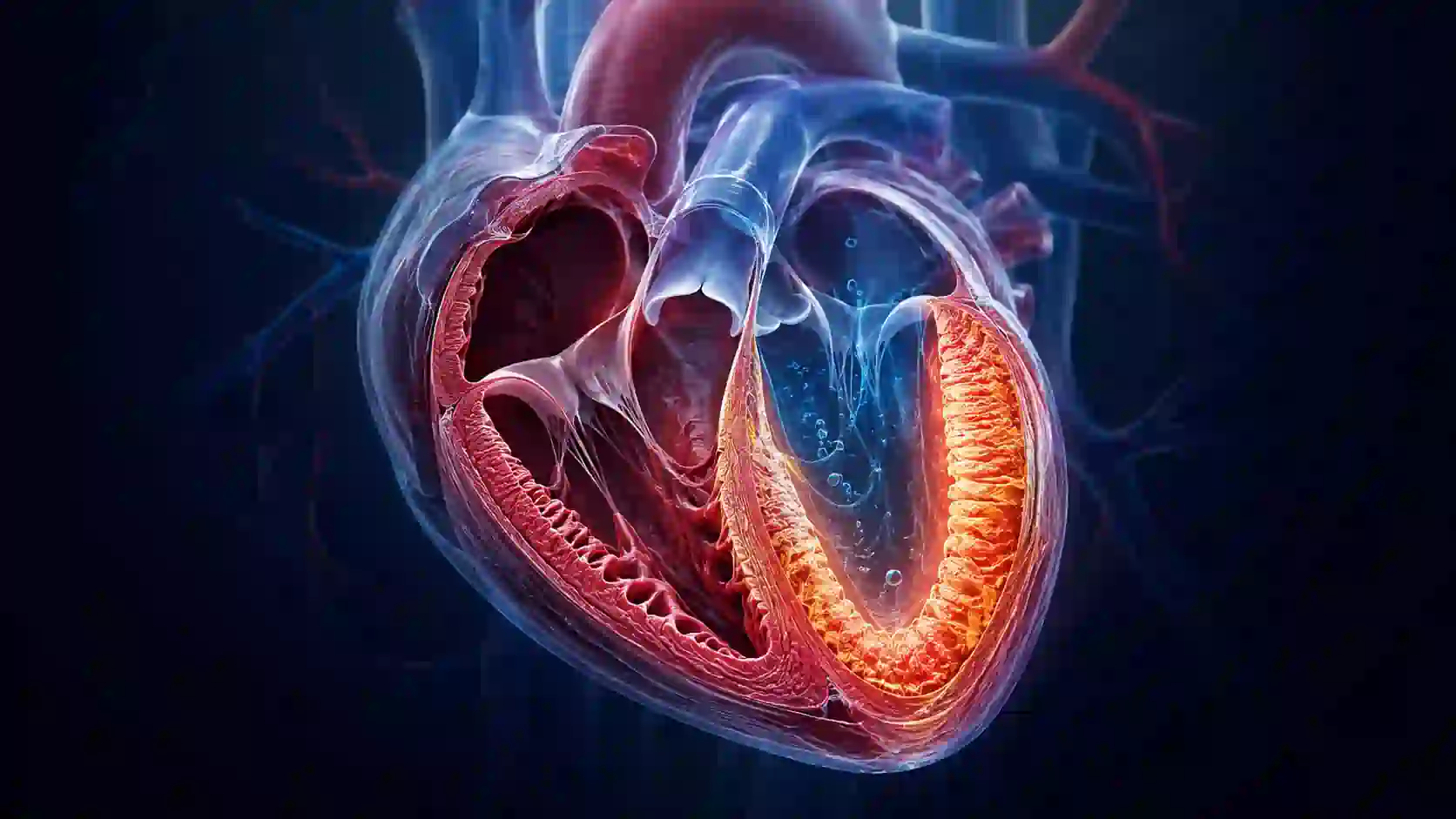
Your heart squeezes out blood with every beat. Between those beats, it must relax and fill back up. Diastolic heart failure strikes when the heart muscle turns stiff and refuses to relax. Blood backs up into your lungs and body.
You feel winded, tired, and swollen. Catching this condition early changes everything. This guide gives you the exact signs, stages, and treatments that top cardiologists rely on. Read it carefully. Your next breath depends on knowing this.
What Exactly Is Diastolic Heart Failure?
This syndrome is known by medical professionals as heart failure with preserved ejection fraction, or HFpEF. The pumping function looks normal on tests. The heart still squeezes out 50% or more of its blood. The real problem hides in the relaxation phase.
Imagine a brand-new rubber band. You stretch it, and it snaps right back. Now picture an old, dried-out rubber band. You pull it, but it barely moves. That stiffness describes diastolic heart failure. The left ventricle loses its stretchiness. It cannot fill with enough blood. Less blood enters, so less blood pumps out to your kidneys, brain, and muscles.
Half of all heart failure patients have this type. Women, older adults, and people with high blood pressure or diabetes face the highest risk. The numbers keep climbing each year.
Diastolic vs. Systolic Heart Failure: Why the Difference Saves Lives
Heart failure splits into two main types. Knowing which one you have decides the treatment.
| Feature | Diastolic Heart Failure (HFpEF) | Systolic Heart Failure (HFrEF) |
| Main Problem | Stiff muscle, poor relaxation | Weak muscle, poor squeezing |
| Ejection Fraction | Normal (50% or above) | Reduced (below 40%) |
| Common Patients | Older women, those with hypertension | People with prior heart attacks |
| First-Line Drugs | Diuretics for fluid, SGLT2 inhibitors | ACE inhibitors, beta-blockers |
| Heart Muscle Appearance | Thick, stiff walls | Thin, stretched-out walls |
Doctors diagnose diastolic heart failure when you show clear signs of heart failure but the ejection fraction stays normal. This distinction saves lives because the wrong treatment makes things worse. Drugs that work wonders for a weak, baggy heart often fail a stiff heart.
8 Silent Signs Your Heart Is Stiffening
Heart failure symptoms creep up slowly. Many people blame aging or lack of fitness. Watch for these red flags.
- Shortness of breath while lying flat. You wake up gasping. Propping yourself with three pillows becomes normal.
- Extreme fatigue after simple tasks. Folding laundry feels like running a marathon.
- Swollen ankles and feet. Shoes feel tight by evening. Socks leave deep indentations.
- A persistent dry cough at night. Fluid builds in the lungs when you lie down.
- Rapid weight gain over a few days. Not fat—this is trapped fluid.
- Nausea and feeling full quickly. Your gut gets less blood flow.
- Confusion or trouble focusing. Your brain lacks oxygen-rich blood.
- Pounding heartbeat. The heart races to compensate for low output.
Write these signs of heart failure down. If you tick three or more boxes, see a doctor this week.
What Causes Diastolic Heart Failure? The Triggers Most People Miss
Long-standing high blood pressure causes most cases. Years of pressure force the heart muscle to thicken. Thick walls become rigid. But other culprits exist.
- Diabetes: High blood sugar stiffens heart muscle cells directly.
- Obesity: Extra fat tissue releases inflammatory chemicals that scar the heart.
- Coronary artery disease: Narrowed vessels starve the heart of oxygen.
- Atrial fibrillation: Irregular, rapid beats remodel the heart over time.
- Sleep apnea: Stopping breathing at night stresses the heart repeatedly.
- Aging: Collagen builds up in the heart muscle naturally after 60.
Rare conditions like amyloidosis or hemochromatosis also stiffen the heart. Doctors run specific tests to rule these out.
The 4 Stages of Congestive Heart Failure Made Simple
The American Heart Association and American College of Cardiology define 4 stages of congestive heart failure. Diastolic heart failure follows the same path.
Stage A: High Risk Only
You have no symptoms. Your heart structure remains normal. But you carry hypertension, diabetes, or a family history. Prevention starts now.
Stage B: Structural Changes Begin
Still no symptoms. Tests reveal a stiff, thickened left ventricle. Your doctor might note “LVH” or diastolic dysfunction on your echo report.
Stage C: Symptoms Appear
You experience exhaustion, edema, or dyspnea. The structural problem now causes noticeable heart failure symptoms. Most diagnoses happen here.
Stage D: Advanced, Refractory Symptoms
Symptoms persist even at rest. Medications stop working well. You may need specialized pumps or a transplant evaluation.
These heart failure stages never reverse completely. But strong treatment halts progression and pulls many people back to a near-normal life at Stage C.
How Is Diastolic Heart Failure Diagnosed? Tests You’ll Face
Doctors use multiple tools. No single test confirms the diagnosis.
- Echocardiogram: An ultrasound probe shows the heart relaxing and squeezing in real time. It measures ejection fraction and checks for stiff walls.
- BNP Blood Test: Stretched heart cells release this hormone. High levels signal heart failure.
- Electrocardiogram: This rules out past silent heart attacks or atrial fibrillation.
- Chest X-ray: It reveals fluid in the lungs or an enlarged heart shadow.
- Cardiac Catheterization: The gold standard. A thin wire inside the heart measures filling pressures directly.
Bring a list of your symptoms and medications to the appointment. This speeds up accurate diagnosis.
Heart Failure Therapies Effective for a Stiff Heart
Treating diastolic heart failure focuses on easing symptoms and fixing the root causes. No magic pill exists. You need a combination strategy.
Medications That Help
- SGLT2 Inhibitors: Originally diabetes drugs, empagliflozin and dapagliflozin now show remarkable results. They cut hospital visits drastically.
- Diuretics: These “water pills” remove extra fluid from your legs and lungs. To monitor fluid loss, weigh yourself every day.
- Mineralocorticoid Receptor Antagonists: Spironolactone fights the fibrosis that stiffens the heart.
- ARNI (Sacubitril/Valsartan): New research supports its use in certain HFpEF patients.
Drugs That Often Fail Here
- Digoxin: May trigger dangerous rhythm problems in diastolic failure.
- Strong Vasodilators: Lowering blood pressure too much can drop filling pressure dangerously.
Devices and Procedures
- A small implant monitors pulmonary artery pressure from home.
- Atrial shunt devices create a tiny pressure-release window between heart chambers. Clinical trials continue on these.
Always ask your doctor specifically: “Does this heart failure treatment target my diastolic dysfunction, or is this a generic heart failure prescription?”
Eating Right: The DASH Diet for Diastolic Heart Failure
Food directly controls your blood pressure and fluid balance. The DASH eating plan gets top recommendations from cardiologists.
| Food Group | Servings (2000-calorie plan) | Helpful Examples |
| Vegetables | 4-5 per day | Spinach, broccoli, carrots |
| Fruits | 4-5 per day | Bananas, apples, berries |
| Whole Grains | 6-8 per day | Brown rice, whole wheat bread |
| Lean Protein | 6 or fewer per day | Fish, skinless chicken, beans |
| Low-Fat Dairy | 2-3 per day | Yogurt, skim milk |
| Sodium Limit | Under 1,500 mg daily | Cook with herbs, avoid packaged soups |
Read every label. Breads, canned goods, and restaurant meals hide shocking amounts of salt. Potassium-rich foods need caution if your doctor prescribes certain diuretics.
Does Melatonin Harm a Failing Heart?
Many patients ask about melatonin and heart failure. Sleep troubles plague stiff hearts, so melatonin seems logical.
Melatonin acts as an antioxidant and regulates sleep cycles. Small studies show it might even lower nighttime blood pressure. Short-term use of standard doses (1–5 mg) appears safe for most stable heart failure patients.
But caution applies. Melatonin can interact with warfarin and some blood pressure pills. High doses may affect immune function. Never add melatonin heart failure management without speaking to your cardiologist first. Fix sleep First, apnea—that fundamental issue is significantly more detrimental to heart relaxation than any supplement.
Can You Reverse Diastolic Heart Failure?
Patients ask this daily: can heart failure be reversed? The honest answer for diastolic heart failure is no—not completely.The scar tissue and thicker walls rarely completely thin out.
But “irreversible” does not mean hopeless. Many people push their heart failure stages backward functionally. Someone in Stage C can regain the energy and symptom profile of Stage B. They walk farther, breathe easier, and avoid hospitals. This functional reversal happens through:
- Dropping 10% of body weight
- Keeping systolic blood pressure under 120 mmHg
- Taking SGLT2 inhibitors consistently
- Exercising 30 minutes daily, even just walking
- Cutting sodium strictly
Focus on what you can gain: energy, breathing room, and years of life. Is heart failure reversible structurally? Not yet. Is it manageable to the point of living fully? Absolutely yes.
Living Longer: How Long Can You Live with Diastolic Heart Failure?
This question keeps patients up at night. Life expectancy with diastolic heart failure varies widely. Studies tracking people over 10 years show survival rates around 50-60%. That number improves every year with better drugs.
Your personal outlook hinges on five things: age at diagnosis, kidney health, how fast you get treatment, commitment to daily medication, and whether you control diabetes or hypertension. Someone diagnosed at 65 who follows every recommendation may live 15 or more active years. Skipping medications and eating high-salt meals shortens that window drastically.
Each year you stay out of the hospital adds more years to your future. Hospitalizations strain the heart further. Protecting yourself from fluid overload protects your longevity.
Frequently Asked Questions About Diastolic Heart Failure
What does diastolic heart failure feel like in daily life?
You feel winded carrying groceries or climbing one flight of stairs. Your legs swell visibly by evening. Lying flat triggers coughing fits. Simple chores exhaust you completely.
Which heart failure do you not give diuretics to?
Some doctors avoid aggressive diuresis in certain right-sided failure cases where the main problem is poor filling from other causes, not volume overload. A heart with severely stiff ventricles can crash if you drain too much fluid too fast, because it relies on higher filling pressures. Always adjust diuretic doses with a cardiologist.
Is congestive heart failure hereditary?
Yes, a family history of cardiomyopathy raises risk. However, lifestyle factors like high blood pressure and diabetes play a larger role in diastolic heart failure specifically.
How is heart failure diagnosed in the early stages?
Diastolic dysfunction is detected by an echocardiography with Doppler investigations before symptoms appear. A BNP blood test adds another clue. These screenings help people with diabetes and hypertension detect trouble early.
What are the symptoms of congestive heart failure in older adults?
Older patients show confusion, fatigue, reduced appetite, and falls more often than classic breathlessness. Families often mistake these signs for normal aging or dementia.
Will a dog with congestive heart failure die peacefully?
Veterinary care for canine congestive heart failure has advanced greatly. With proper diuretics and medications, many dogs pass calmly at home when the time comes. Work closely with a vet to manage pain and breathing.
Protect Your Heart Starting Tonight
You now hold a clear roadmap for spotting, diagnosing, and treating diastolic heart failure. Start with one small action today. Check your blood pressure. Write down your symptoms.
Schedule that echocardiogram. Cut your salt intake at dinner. The stiffening process stops getting worse the moment you intervene. Every choice you make from this point forward pushes your future toward more good days. Share this guide with someone you love who struggles with fatigue or high blood pressure. The information you pass along could save their life.