Top of Foot Pain: Causes, Relief & When to See a Doctor
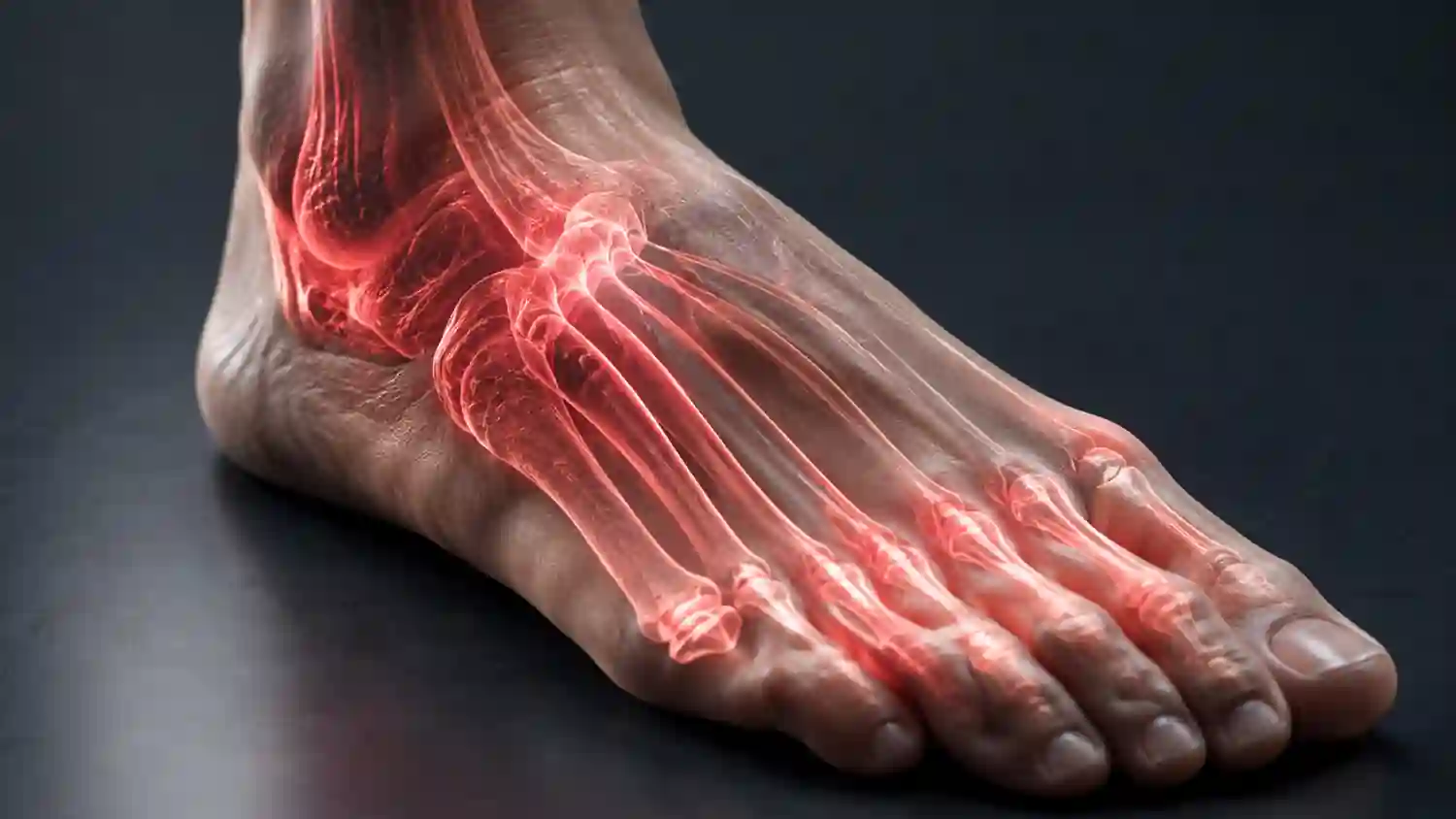
You lace up your shoes, stand up, and a sharp ache shoots across the top of your foot. Walking becomes a chore. That morning jog? Forget it. Top of foot pain stops you in your tracks, and waiting around hoping it disappears rarely works. This guide breaks down exactly what triggers that pain, how to calm it at home, and the moment you should pick up the phone and book a doctor’s appointment.
What Does Top of Foot Pain Actually Feel Like?
The sensation differs from person to person. Some describe a dull, nagging throb that worsens with activity. Others feel a stabbing, pinpoint ache directly over the bones. Swelling often accompanies the discomfort, making shoes feel tighter by the afternoon. You might notice the pain increases when you push off your toes or stand on tiptoes. Recognizing your exact symptoms helps narrow down the root cause faster.
Common Causes of Top of Foot Pain
Your foot contains 26 bones, 33 joints, and over 100 tendons and ligaments. When any of these structures get stressed, pain signals fire off. Here are the most frequent reasons behind top of foot pain.
Stress Fractures in the Metatarsals
Repetitive impact from running, jumping, or suddenly increasing workout intensity can create tiny cracks in the metatarsal bones. These stress fractures often plague runners and military recruits. The pain usually starts mild and worsens with continued activity. Pressing directly on the affected bone triggers sharp discomfort. Rest becomes non-negotiable for healing — ignoring a stress fracture risks a complete bone break.
Extensor Tendonitis
Tendons running along the top of your foot lift your toes upward. Overuse, tight calf muscles, or poorly fitting shoes irritate these extensor tendons. The top of your foot feels tender, swollen, and painful when you flex your toes toward your shin. Runners who lace shoes too tightly frequently develop this condition. The constant pressure of tight laces directly inflames the tendons.
Midfoot Arthritis
Osteoarthritis or post-traumatic arthritis can strike the midfoot joints. Cartilage wears down over time, leaving bones grinding against each other. Morning stiffness, swelling, and a deep ache across the top of the foot mark this condition. Previous foot injuries — like a bad sprain or fracture — increase your arthritis risk years later.
Dorsal Foot Nerve Entrapment
Nerves running across the top of the foot can become compressed or trapped.These superficial nerves are pinched by tight shoes, trauma, or aberrant foot structure. The result? Burning, tingling, or electric-shock sensations across the top of the foot. Even touching the skin in that location might occasionally cause excruciating sensitivity. A proper diagnosis often requires a nerve conduction study.
Ganglion Cysts
A soft, fluid-filled lump appearing on the top of the foot signals a ganglion cyst. These non-cancerous masses form near joints or tendon sheaths. The cyst itself may not hurt, but pressure on nearby nerves or interference with shoe fit causes significant discomfort. Aspiration or surgical removal helps if the cyst becomes painful or limits movement.
Less Typical but Important Causes
Some triggers of top of foot pain fly under the radar but deserve attention.
Gout Flare-Ups
Gout — a form of inflammatory arthritis — occurs when uric acid crystals deposit in a joint. While the big toe gets the most attention, gout can attack the midfoot and top of the foot. The pain arrives suddenly, often at night, and the area turns red, hot, and extremely tender. Dietary triggers like red meat, seafood, and alcohol contribute to flare-ups.
Lisfranc Joint Injuries
The Lisfranc joint complex sits at the midfoot, where the metatarsals meet the tarsal bones. Ligament damage here, whether from a twist, fall, or heavy object landing on the foot, causes severe top of foot pain. Swelling and bruising spread quickly. A Lisfranc injury demands immediate evaluation — untreated, it leads to chronic instability and arthritis.
Bone Spurs
Bony growths develop on top of foot bones over years of wear and tear. Tight shoes rubbing against these spurs inflame the overlying soft tissue.The end effect is localized, chronic discomfort that gets worse under pressure.
Home Relief Methods That Actually Work
Before rushing to the doctor, several at-home strategies can ease mild to moderate top of foot pain.
Rest and Activity Modification. Stop high-impact activities. Switch to swimming or cycling. Give your foot structures time to calm down.
Ice Therapy. Apply an ice pack wrapped in a thin towel to the painful area for 15 minutes, three times daily. Ice reduces swelling and numbs the sharp pain.
Shoe Check. Tight, narrow, or worn-out shoes are common culprits. Choose footwear with a wide toe box and proper arch support. Loosen your laces across the instep to relieve pressure.
Topical Anti-Inflammatory Gels. Over-the-counter diclofenac gel applied directly to the top of the foot reduces tendon and joint inflammation without the stomach side effects of oral pills.
Pain-Relief Exercises. Gentle toe curls, ankle pumps, and towel stretches maintain mobility without straining injured tissues.
Medical Treatments When Home Care Falls Short
Persistent top of foot pain demands professional intervention.
| Treatment | Best For | What to Expect |
| Physical Therapy | Tendonitis, post-injury recovery | Strengthening exercises, gait retraining, manual therapy |
| Custom Orthotics | Arthritis, structural issues | Offloading pressure, correcting foot mechanics |
| Corticosteroid Injections | Severe arthritis, gout flares | Rapid pain relief, reduced inflammation |
| Immobilization (boot/cast) | Stress fractures, Lisfranc injuries | Complete rest for 4–8 weeks |
| Surgery | Unstable fractures, nerve entrapment, large cysts | Open reduction, nerve release, cyst excision |
A podiatrist or orthopedic foot specialist performs a physical exam, reviews your activity history, and orders imaging — X-rays, MRI, or ultrasound — to confirm the diagnosis before recommending treatment.
How to Spot a Serious Problem
Certain symptoms alongside top of foot pain signal a condition needing urgent care:
- Inability to bear any weight on the foot
- Visible deformity or bone protruding
- Open wound with exposed bone or tendon
- Redness spreading up the leg with fever
- Numbness or complete loss of sensation
These red flags suggest fracture, infection, or severe nerve damage. Delaying treatment risks permanent disability.
Who Treats Top of Foot Pain?
Podiatrists specialize in foot and ankle conditions and often serve as the first point of contact. Orthopedic surgeons handle complex fractures and reconstructive needs. Sports medicine doctors work with athletes managing overuse injuries. A physical therapist guides the rehabilitation phase, rebuilding strength and mobility safely.
According to the American Academy of Orthopaedic Surgeons, stress fractures account for a significant percentage of sports-related foot injuries and require early diagnosis to avoid surgical intervention.
The American Podiatric Medical Association emphasizes proper footwear as a primary prevention method for dorsal foot pain syndromes. A study published in the British Journal of Sports Medicine highlights that extensor tendonitis often resolves with conservative measures but recurrence remains common without addressing training errors.
Preventing Top of Foot Pain Long-Term
Prevention beats treatment every time. Building strong, flexible feet and wearing appropriate shoes dramatically lowers your risk.
- Gradually increase exercise intensity — follow the 10% weekly rule
- Replace running shoes every 400–500 miles
- Alternate high-impact activities with low-impact cross-training
- Stretch your calves and plantar fascia daily
- Strengthen intrinsic foot muscles with barefoot exercises on grass or sand
- Address flat feet or high arches with supportive footwear or custom orthotics
- Maintain a healthy body weight to reduce joint stress
Frequently Asked Questions About Top of Foot Pain
What is the most common cause of top of foot pain?
Extensor tendonitis tops the list. Tight shoelaces, overuse, and unsupportive footwear inflame the tendons running along the top of the foot, causing sharp or burning pain.
Does pain at the top of the foot go away by itself?
Mild cases from overuse often improve with rest, ice, and better shoes within one to two weeks. If pain persists beyond that or worsens, a proper medical evaluation becomes necessary.
Should I wrap my foot for top of foot pain?
A compression bandage may help reduce swelling, but wrapping too tightly damages nerves and restricts blood flow. Focus first on rest, ice, and shoe modifications.
How do I know if my top of foot pain is a stress fracture?
Point tenderness on a specific bone, pain that worsens with activity, and swelling without bruising point toward a stress fracture. An X-ray or MRI confirms the diagnosis.
Can gout cause pain on the top of the foot?
Absolutely. Gout often targets the midfoot region, causing sudden, intense top of foot pain with redness, heat, and swelling. A blood test measuring uric acid levels helps identify gout.
Is walking barefoot bad for top of foot pain?
Walking barefoot on hard floors places extra stress on foot structures. If top of foot pain is active, wear supportive, cushioned shoes even indoors until symptoms resolve.
Take the Next Step Toward Pain-Free Movement
Living with top of foot pain steals your mobility and your peace of mind. You deserve to walk, run, and stand without wincing. Start with simple changes today — check your shoes, cut back on high-impact activity, and ice the painful area. Notice how your foot responds over the next few days.
Make an appointment with a podiatrist if the pain persists. Your feet carry you through life; returning the favor with proper care keeps you moving for years to come.