Lower Right Back Pain: What Your Body Is Trying to Tell You
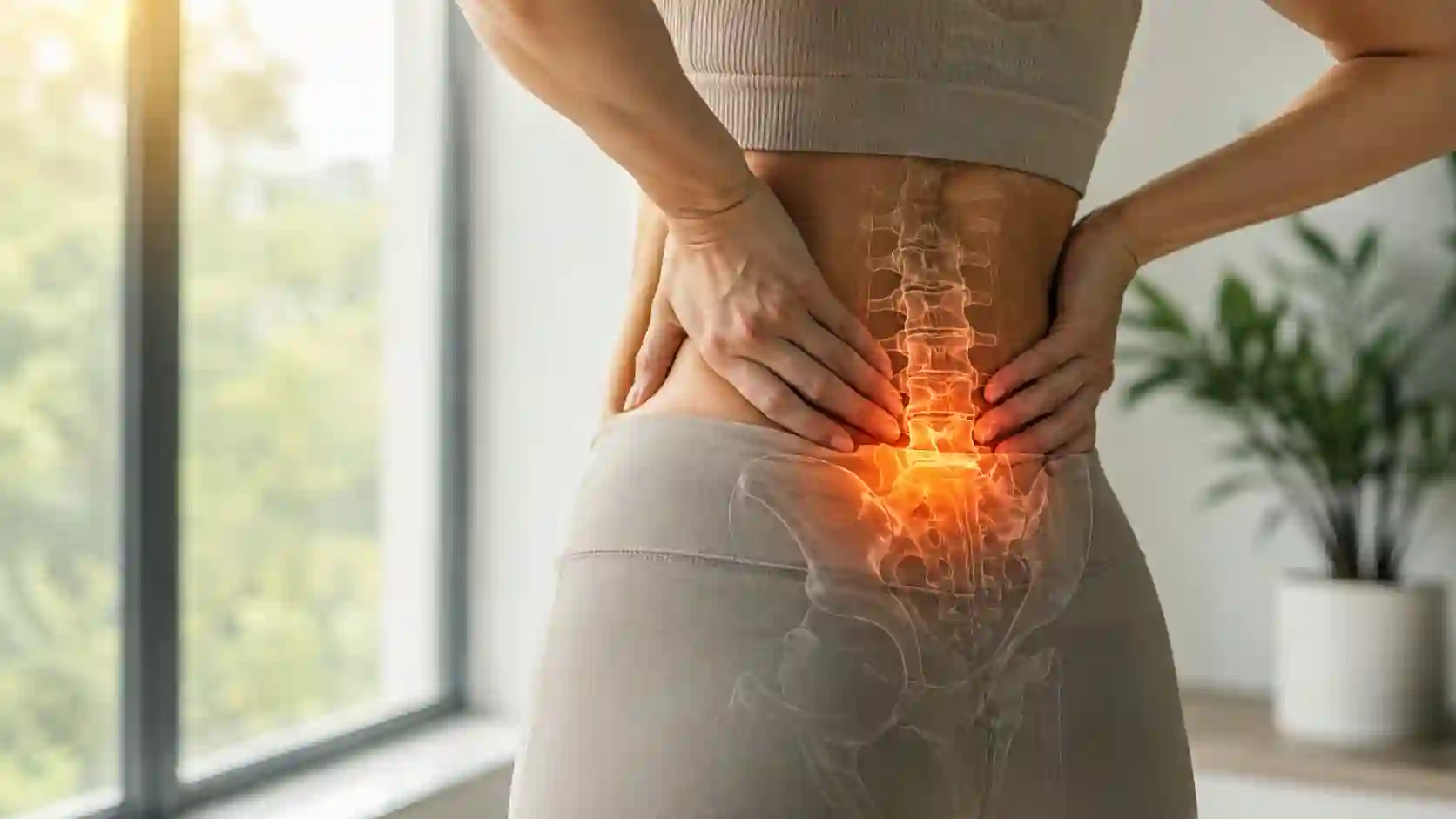
You bend down to pick up a pen, and a sharp twinge stops you cold. Or maybe it’s a dull ache that settles in after sitting at your desk for hours. Lower right back pain has a way of grabbing your attention—and not in a good way.
It’s specific, it’s stubborn, and it often leaves you wondering whether you pulled a muscle or something deeper is going on. This guide breaks down everything you need to know: the real causes, the remedies that actually work, and the exact moment you should call a doctor.
10 Common Causes of Lower Right Back Pain
Understanding why your lower right back hurts is the first step toward fixing it. Here are the most common triggers doctors see every day.
Muscle Strain or Ligament Sprain
Heavy lifting, a sudden awkward movement, or poor posture can overstretch the muscles and ligaments on the right side. This causes inflammation, stiffness, and localized lower right back pain that gets worse with movement.
Sciatica Affecting the Right Side
When the sciatic nerve gets compressed—often by a herniated disc—it sends shooting pain down the right buttock and leg. Many people describe it as an electric shock that makes standing or walking difficult.
Kidney Stones
A kidney stone sitting in the right kidney or ureter produces intense, wave-like lower right back pain. The discomfort often radiates toward the groin and comes with nausea or blood in the urine.
Kidney Infection
Unlike a stone, a kidney infection causes a constant, throbbing ache in the lower right back along with fever, chills, and painful urination. This condition requires immediate antibiotics.
Appendicitis (Early Warning)
Appendicitis typically starts as a dull pain near the belly button that migrates to the lower right abdomen. However, the inflammation can also refer pain backward, mimicking lower right back pain. If the pain sharpens and you feel feverish, head to the ER.
Sacroiliac Joint Dysfunction
The sacroiliac joint connects your spine to your pelvis. When it becomes inflamed on the right side, you experience deep lower right back pain that worsens with prolonged sitting, climbing stairs, or standing on one leg.
Lumbar Herniated Disc
A disc between two vertebrae can bulge and press on nerves branching to the right side. The result is lower right back pain accompanied by numbness, tingling, or weakness in the right leg.
Spinal Stenosis
The spinal cord and nerves are compressed when the spinal canal narrows. When the narrowing occurs on the right side, you feel lower right back pain that eases when you sit or lean forward.
Endometriosis (For Women)
Endometrial tissue growing outside the uterus can attach to the right ureter or pelvic structures. This triggers cyclical lower right back pain that worsens around menstruation.
Ovarian Cyst or Torsion
A cyst on the right ovary or, more dangerously, an ovarian torsion causes sudden, severe lower right back pain with bloating and irregular bleeding. Emergency evaluation is a must.
When Should You Worry About Lower Right Back Pain?
Certain symptoms paired with lower right back pain demand urgent medical care. Do not wait if you notice:
- Sudden, unbearable pain that makes you double over
- Fever over 100.4°F with chills
- Loss of bladder or bowel control
- Numbness in the groin or inner thighs
- Pain following a fall, accident, or direct blow to the back
- Unexplained weight loss along with persistent ache
These red flags point to conditions like cauda equina syndrome, a ruptured appendix, or a spreading kidney infection. Quick action prevents permanent damage.
Lifestyle Habits That Trigger Lower Right Back Pain
Sometimes the pain comes from daily routines you never think twice about.
- Sitting with a wallet in your back pocket tilts the pelvis and strains the right sacroiliac joint.
- Driving long hours without lumbar support shortens hip flexors and loads the right spinal muscles.
- Sleeping on a sagging mattress forces the spine out of alignment and creates pressure points.
- Dehydration concentrates urine and raises the risk of kidney stones that cause right-sided back pain.
Fixing these small habits often delivers relief within days.
The Muscle Imbalance Connection
Your body is a chain. When the right glute is weak or the right hip flexor is too tight, the lower back compensates. Over time, this imbalance creates chronic lower right back pain that feels muscular but actually starts from dysfunctional movement patterns. A physiotherapist can perform a functional assessment to pinpoint which muscles need strengthening and which ones need stretching.
How Sleep Position Affects Lower Right Back Pain
The way you sleep either heals your spine or hurts it further.
- The ideal position is on your back with a pillow beneath your knees. This flattens the spine and removes pressure.
- Side sleeping: Lie on your left side with a firm pillow between the knees. This keeps the right hip from rotating and pulling on the lower back.
- Avoid: Sleeping on your stomach. It arches the lower back and twists the neck for hours.
Immediate Relief Strategies You Can Try at Home
Cold Therapy First, Heat Later
For the first 48 hours after acute lower right back pain starts, apply an ice pack wrapped in cloth for 15–20 minutes every two hours. Ice reduces inflammation and numbs the area. After two days, switch to a heating pad to loosen tight muscles and boost blood flow.
Gentle Stretches for the Right Side
- Knee-to-chest stretch: Lie on your back, hug the right knee toward the chest, and hold for 30 seconds.
- Child’s pose with a rightward lean: From all fours, sit back onto the heels while walking your hands slightly to the right to target the lower right back.
- Seated spinal twist: Sit tall, cross the right leg over the left, and gently twist toward the right.
Stop any stretch that sharpens the pain.
Over-the-Counter Anti-Inflammatories
Naproxen or ibuprofen can reduce pain and swelling when taken as directed. Always check with a pharmacist if you have stomach issues or take blood thinners.
A Step-by-Step Table for Lower Right Back Pain Relief
| Step | Action | Duration / Notes |
| 1 | Rest actively — avoid bed rest beyond 2 days | Walk gently for 10 min every few hours |
| 2 | Apply ice every 2 hours | 15–20 min per session, first 48 hours |
| 3 | Switch to heat therapy after 48 hours | Moist heat preferred |
| 4 | Perform prescribed stretches twice daily | Hold each 30 sec, no bouncing |
| 5 | Take OTC anti-inflammatories with food | Follow package instructions |
| 6 | Book a physiotherapy evaluation | If pain persists beyond 2 weeks |
| 7 | Correct sitting posture with lumbar roll | Use during desk work and driving |
Medical Treatments for Persistent Lower Right Back Pain
When home remedies aren’t enough, doctors may recommend:
- Physiotherapy: Targeted exercises to strengthen the core and correct muscle imbalances.
- Prescription muscle relaxants: For severe spasms that limit movement.
- Epidural steroid injections: For disc-related nerve compression causing lower right back pain.
- Shockwave therapy: To break down kidney stones non-invasively.
- Surgery (rare): Microdiscectomy for herniated discs or appendectomy for appendicitis.
Exercises That Prevent Future Episodes
Building a resilient back requires consistency, not intensity.
- Partial crunches: Strengthen the core without straining the lower spine.
- Pelvic tilts: Improve lumbar mobility and reduce stiffness.
- Glute bridges: Activate the right glute to offload the lower back.
- Bird-dog: Builds stability across the entire posterior chain.
Three to four times a week, practice these. Stop immediately if the right-sided pain returns.
The Mind-Body Link
Chronic lower right back pain changes how the brain processes signals. Stress, anxiety, and fear of movement amplify pain perception. Techniques like diaphragmatic breathing, guided meditation, and cognitive behavioral therapy retrain the brain and reduce the emotional weight of living with pain.
FAQ Section
What is the most common reason for lower right back pain?
Muscle strain remains the top cause. Lifting something too heavy or twisting suddenly overstretches the soft tissue, leading to localized lower right back pain that usually resolves with rest and gentle movement.
How do I know if my lower right back pain is kidney-related?
Kidney pain sits higher than typical back pain—just below the ribs—and rarely changes with body position. Accompanying symptoms like fever, burning urination, or cloudy urine strongly suggest a kidney stone or infection.
Can dehydration cause lower right back pain?
Yes, indirectly. Chronic dehydration encourages kidney stone formation. A stone lodged in the right ureter produces waves of excruciating lower right back pain that radiate toward the lower abdomen.
Is walking good for lower right back pain?
Walking is one of the safest activities. It pumps blood to the injured area, loosens stiff muscles, and prevents the spine from seizing up. Start with five minutes and increase gradually if the pain remains manageable.
When is lower right back pain a sign of appendicitis?
Appendicitis pain usually shifts from around the navel to the lower right belly. However, the inflamed appendix can irritate nerves that wrap toward the back, causing simultaneous lower right back pain and abdominal tenderness. Fever and vomiting often follow.
How long does it take for lower right back pain to heal?
Acute muscle strains improve within one to two weeks. If you have a herniated disc or sacroiliac joint dysfunction, recovery can take four to six weeks with proper physiotherapy. Pain lasting beyond three months becomes chronic and calls for a comprehensive treatment plan.
Your Next Step Toward a Pain-Free Back
You don’t have to guess anymore. Pain is not a death sentence; it is a signal. Whether your lower right back pain started yesterday or has been lingering for months, the right diagnosis opens the door to the right treatment.
Save this guide. Share it with a friend who keeps rubbing that sore spot above their hip. And most importantly, listen to your body—it tells the truth long before any scan does. Make that appointment, adjust those daily habits, and take back control starting today.