Jaw Pain on One Side: 8 Common Causes, Relief Options, and When to Worry
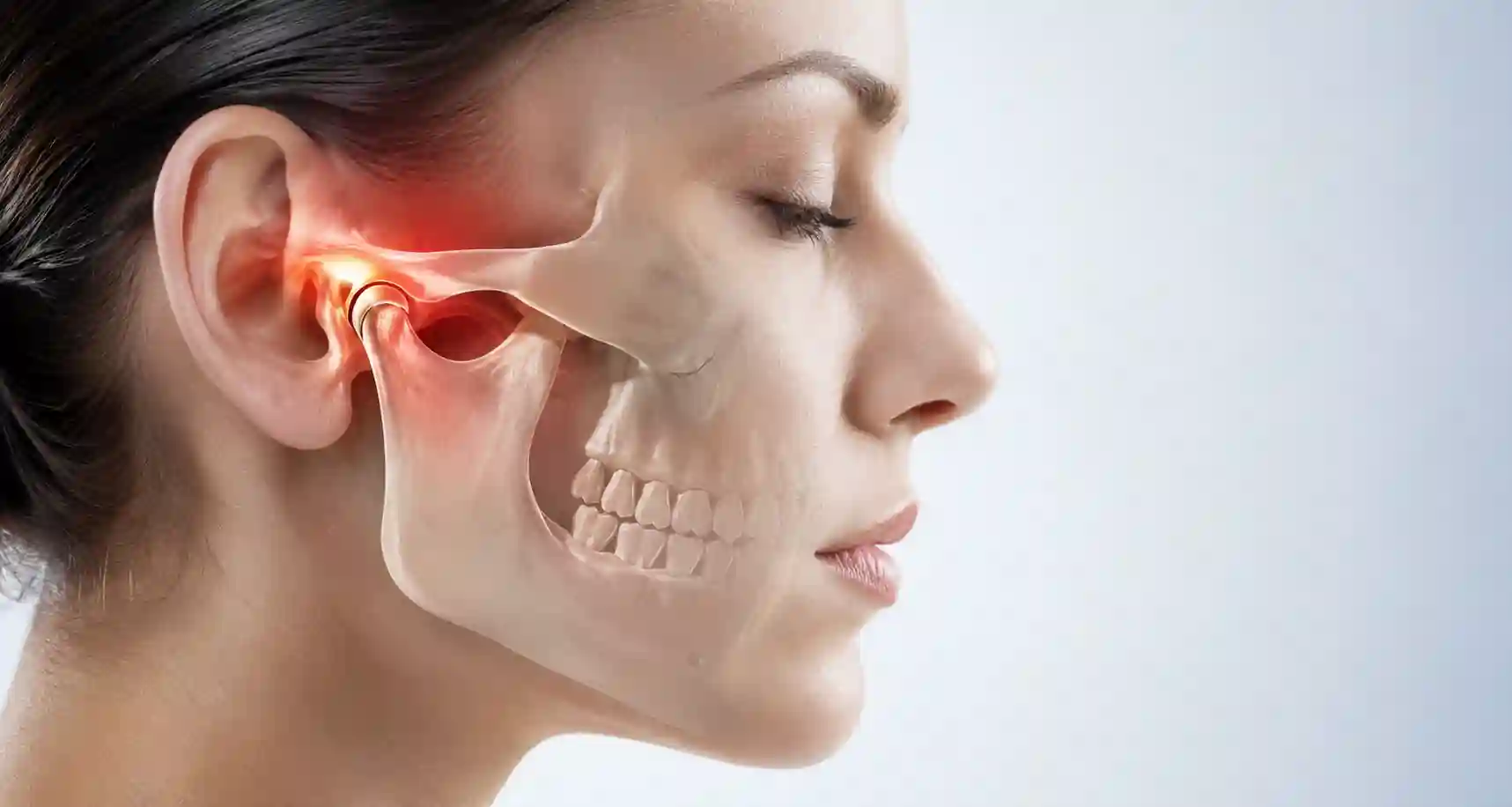
Waking up with a sharp, throbbing ache on just one side of your face can feel unsettling. You might struggle to chew your morning toast or notice a clicking sound every time you yawn. That isolated jaw pain on one side often feels different from a regular headache or toothache, and rightly so.
Your jaw joint is a complex structure, and pain on a single side points to specific triggers that demand attention. This comprehensive guide breaks down every possible cause, gives you practical relief methods, and helps you spot the warning signs that require a doctor right away. Read on and take the first step toward a pain-free, comfortable jaw.
Table: Jaw Pain on One Side – Causes, Symptoms, and Best Treatments
| Cause | Key Symptoms | Pain Type | Best Treatment Approach | Which Expert to See |
| TMD (Jaw Joint Disorder) | Clicking, popping, ear ache, locked jaw | Dull, aching, worsens with movement | Night guard, physical therapy, stress management | Dentist, Oral Surgeon |
| Dental Abscess | Swollen gum, bad taste, fever, facial swelling | Sharp, throbbing, constant, worsens lying down | Root canal or tooth extraction, antibiotics | Dentist, Endodontist |
| Bruxism (Teeth Grinding) | Morning soreness, flattened teeth, headaches | Sore, tired, tight muscles | Custom night guard, muscle relaxants | Dentist |
| Trigeminal Neuralgia | Electric shock sensation, triggered by touch | Sudden, excruciating, stabbing, short episodes | Anticonvulsant medication, surgery | Neurologist |
| Sinus Infection | Nasal congestion, thick mucus, facial pressure | Deep, aching pressure, worsens bending forward | Decongestants, antibiotics, steam inhalation | ENT Specialist |
| Heart Attack | Left jaw ache, chest pressure, nausea, cold sweat | Vague, squeezing, comes with exertion | Emergency medical intervention (call 911) | Cardiologist, Emergency Room |
| Impacted Wisdom Tooth | Pain at back of mouth, swollen gum, bad breath | Constant, dull pressure, difficulty opening mouth | Surgical extraction | Oral Surgeon, Dentist |
| Arthritis (TMJ) | Joint stiffness, crepitus (grating sound), swelling | Deep, grinding ache, tenderness to touch | Anti-inflammatory meds, heat therapy, joint surgery | Oral Surgeon, Rheumatologist |
Understanding Your Jaw Joint and Its Weaknesses
Your temporomandibular joint, commonly called the TMJ, is one of the most used joints in your entire body. Think about it: every time you speak, swallow, chew, or even smile, this tiny hinge works tirelessly. You actually have two TMJs, one on each side of your face, connected to your skull just in front of your ears. A small disc of cartilage cushions the bones and allows smooth, frictionless movement.
So why does jaw pain on one side happen? The answer lies in how these two joints depend on each other. If you favor chewing on your right side, clench harder on your left during sleep, or develop an infection in a single tooth, that specific joint and its surrounding muscles bear the entire brunt of the problem.
The opposite side remains completely unaffected, which is why the pain feels so isolated. Understanding this one-sided nature helps doctors and dentists narrow down the exact problem area quickly and accurately.
8 Common Causes of Jaw Pain on One Side
1. Temporomandibular Joint Disorder (TMD)
TMD stands as the most frequent reason behind persistent jaw pain on one side. This condition develops when the hinge joint malfunctions due to a displaced disc, arthritis, or muscle imbalance. The pain, typically a dull and nagging ache near your ear, gets sharper whenever you chew tough foods or open your mouth wide. You might notice a definitive click, pop, or grating sensation that others can sometimes hear. A dentist who specializes in orofacial pain diagnoses TMD through a hands-on exam, checking your bite alignment and range of motion.
2. A Dental Abscess or Deep Cavity
A tooth problem rarely stays confined to the tooth itself. When bacteria eat through the enamel and reach the soft pulp inside, the infection travels down the root and spills into the surrounding jawbone.
This creates a painful pocket of pus called an abscess. The resulting jaw pain on one side is typically sharp, throbbing, and relentless. You cannot ignore it. Swelling in your gum or face, a fever, and a foul taste in your mouth signal a spreading infection. A dentist must drain the abscess and either perform a root canal or remove the tooth entirely to stop the damage.
3. Unconscious Teeth Grinding (Bruxism)
Imagine clenching your fists for eight hours straight. Your forearm muscles would be screaming by morning. The same logic applies to your jaw. Nocturnal bruxism, or sleep grinding, subjects your teeth and one TMJ to hundreds of pounds of pressure every night.
Because you often sleep on one side or have an uneven bite, one joint suffers more. Waking up with a sore, tired, and tight jaw on a single side is the hallmark sign. Your partner may also hear grinding sounds. A dentist can fit you with a custom-made night guard that absorbs this destructive force and allows the inflamed muscles to finally rest and heal.
4. Trigeminal Neuralgia: The “Lightning Bolt” Pain
This condition turns ordinary sensations into agony. The trigeminal nerve splits into three branches, supplying feeling to your entire face, including your jaw. When a blood vessel presses against this nerve root, the protective coating wears away.
Suddenly, a gentle breeze, brushing your teeth, or even a light kiss on the cheek can trigger an electric shock-like, stabbing pain isolated entirely to the jaw pain on one side. These episodes last only seconds to minutes but strike repeatedly. A neurologist diagnoses this through symptom description and an MRI. Medications that calm nerve signals are the first line of defense.
5. Sinus Infection Causing Jaw Pressure
Your maxillary sinuses are air-filled pockets that sit right above your upper molars. When a cold or allergy inflames these sinuses, they fill with thick fluid. This buildup creates a deep, aching, and constant pressure that pushes downward, perfectly mimicking jaw pain on one side.
The giveaway? Your pain increases dramatically when you bend forward or lie down. You will also have classic sinus symptoms like a stuffy nose, yellow-green nasal discharge, and a reduced ability to smell. Treating the sinus infection with steam, decongestants, or antibiotics clears the pressure, and the jaw pain completely disappears.
6. Heart Attack: The Critical Warning Sign
Here is a fact that saves lives: heart pain does not always hit the chest. Referred pain travels along nerve pathways, and during a heart attack, the signal can land squarely in the left jaw. This is particularly common in women. Cardiac jaw pain on one side feels like a vague, unexplainable ache, pressure, or squeezing sensation.
It comes on with physical exertion and fades with rest. If this left-sided jaw discomfort arrives suddenly along with shortness of breath, nausea, breaking out in a cold sweat, or pain radiating down your left arm, call for emergency help immediately. Do not wait or try to self-diagnose.
7. An Impacted Wisdom Tooth
When a wisdom tooth doesn’t have enough room to emerge properly, it becomes trapped or impacted within the jawbone. Instead of erupting straight up, it pushes sideways against the neighboring molar and the bone itself. This creates deep, constant pressure and pain at the very back of the jaw on that one side.
The overlying gum may become red, swollen, and tender, sometimes trapping food and leading to a painful infection called pericoronitis. A panoramic X-ray reveals the impaction instantly. Surgical removal of the offending tooth provides permanent and complete relief.
8. Arthritis Attacking the Jaw Joint
Just like a knee or hip, your jaw joint can develop arthritis. Osteoarthritis involves the wear-and-tear breakdown of the cartilage cushion, causing bones to grind against each other. Rheumatoid arthritis is an autoimmune condition where your body attacks the joint lining. Both cause a deep, aching jaw pain on one side, stiffness (especially in the morning), swelling, and a distinctive crunching or grating sound called crepitus when you open and close your mouth. An oral surgeon or rheumatologist manages this with anti-inflammatory medications, heat therapy, and in severe cases, joint repair surgery.
10 Effective Home Remedies to Calm Jaw Pain on One Side
While you schedule your professional appointment, these proven methods provide real, immediate relief:
- Apply Damp Heat: A warm, moist towel placed on the sore side for 15 minutes relaxes tight, knotted muscles and boosts healing blood flow.
- Use a Cold Pack: If your face is visibly swollen, wrap ice in a thin cloth and apply it for 10 minutes on, 10 minutes off to numb the area.
- Eat Only Soft Foods: Stick to smoothies, yogurt, well-cooked oatmeal, and scrambled eggs. Give your jaw a complete vacation from hard work.
- Avoid Chewing Gum Completely: Stop all unnecessary, repetitive jaw movements including gum, biting nails, and munching on ice.
- Master the Resting Jaw Position: Keep your lips together but your teeth slightly apart. Gently place your tongue on the roof of your mouth.
- Massage the Tender Muscle: Find the sore knot just below your cheekbone and rub it in small, firm, circular motions for 30 seconds.
- Take an OTC Anti-Inflammatory: Ibuprofen or naproxen directly reduce the inflammation causing your pain, which acetaminophen cannot do.
- Fix Your Forward Head Posture: Pull your chin back, align your ears over your shoulders, and keep screens at eye level to release neck and jaw tension.
- Avoid Extreme Jaw Movements: Suppress big yawns, cut large sandwiches into small bites, and never bite directly into hard apples.
- Stay Hydrated: Well-hydrated muscles are less prone to cramping and spasms. Drink water consistently throughout your day.
When Jaw Pain on One Side Becomes a Medical Emergency
Do not try to tough out serious symptoms at home. Call for emergency help or go to the ER immediately if your one-sided jaw pain arrives alongside:
- The middle of your chest may feel full, squeezed, or compressed.
- Pain that spreads to your left shoulder or arm.
- Sudden, severe shortness of breath.
- Breaking out in a cold, clammy sweat with nausea.
- Rapidly spreading facial or neck swelling that affects your breathing.
These are not signs of a dental problem; they are signs of a potentially life-threatening event. Acting fast is your best protection.
Medical Treatments That Target the Root Cause
Once your doctor identifies the specific cause, treatment becomes highly effective. For TMD and grinding, a custom stabilization splint worn at night repositions the jaw and stops destructive muscle activity.
Physical therapy teaches you targeted stretching exercises and uses therapeutic ultrasound to heal deep joint tissue. For dental abscesses, a root canal cleans the infection from inside the tooth, saving it.
Trigeminal neuralgia responds to specific anticonvulsant medications that stabilize the nerve’s electrical activity. In cases of a severely damaged or locked jaw joint, an oral surgeon can perform a minimally invasive washout procedure called arthrocentesis or repair the joint via arthroscopy.
Frequently Asked Questions About Jaw Pain on One Side
Q: Why do I experience jaw pain on one side only when I wake up?
A: This is the most classic sign of nighttime bruxism. You grind and clench one side specifically while you sleep, overloading that single joint for hours. A night guard is the solution here.
Q: Can anxiety alone cause physical jaw pain on one side?
A: Yes, absolutely. Stress triggers unconscious daytime clenching. You might not even realize you are doing it, but hours of tension fatigue the muscle on your dominant side, causing real, physical soreness.
Q: What does heart-related jaw pain on one side feel like specifically?
A: It rarely feels sharp. Patients describe it as a deep, vague, and unexplainable ache or squeezing pressure in the lower left jaw. It appears with exertion and often comes with nausea and cold sweat.
Q: How can I tell if my pain is from a bad tooth or the jaw joint?
A: Tooth pain gets sharper with hot, cold, or sweet foods. TMJ pain is a deeper ache that worsens with movement or when you press on the joint itself right in front of your ear.
Q: Which professional should I see first for persistent jaw pain on one side?
A: Your general dentist is the best first step. They can take X-rays to rule out tooth and bone issues and then refer you to an oral surgeon, neurologist, or ENT as needed.
Q: Is jaw pain on one side likely to go away completely without treatment?
A: A simple muscle strain from a long dental visit may heal with rest. But pain from an infection, a displaced disc, or a cavity will not resolve on its own and will worsen until a professional treats the underlying cause.
Your Path to Lasting Relief Starts Now
Living with constant, nagging pain on one side of your face is exhausting and completely unnecessary. You now have a clear roadmap of the possible causes, from simple muscle strain to issues that need urgent care. Start by applying the gentle home remedies described above to calm your immediate discomfort.
Then, make that important call to your dentist or doctor. A correct diagnosis unlocks a targeted treatment that breaks the pain cycle for good. Take control of your jaw health today, and look forward to eating, talking, and smiling again without a single thought of pain.