Elbow Pain: The 7 Proven Remedies to Fix Inner and Outer Elbow Pain Safely in 2026
Introduction
Every time you lift a coffee mug, grip a dumbbell, or even straighten your arm, a sharp twinge reminds you that something is wrong.
Elbow pain is one of the most frustrating joint problems because we use our arms constantly. Whether it is inner elbow pain that flares up when you bend your wrist or outside elbow pain that makes shaking hands unbearable, the discomfort can derail your daily life.
Here is the real problem: Most people waste months on random YouTube stretches or overpriced braces that do nothing because they never identify the true source of the pain.
In this article, I will walk you through the exact causes, safe treatments, and powerful home remedies for elbow pain. You will discover why tennis elbow pain location matters, how to stop elbow pain when bending and straightening, and which smart strategies actually deliver lasting relief in 2026. This is not generic advice — it is a practical, field-tested roadmap based on sports medicine principles and real patient outcomes.
What Causes Elbow Pain? Understanding the Root Problem
Elbow pain rarely appears out of nowhere. It usually develops from repetitive stress, poor mechanics, or sudden overload. Knowing what causes elbow pain helps you avoid the trial-and-error trap.
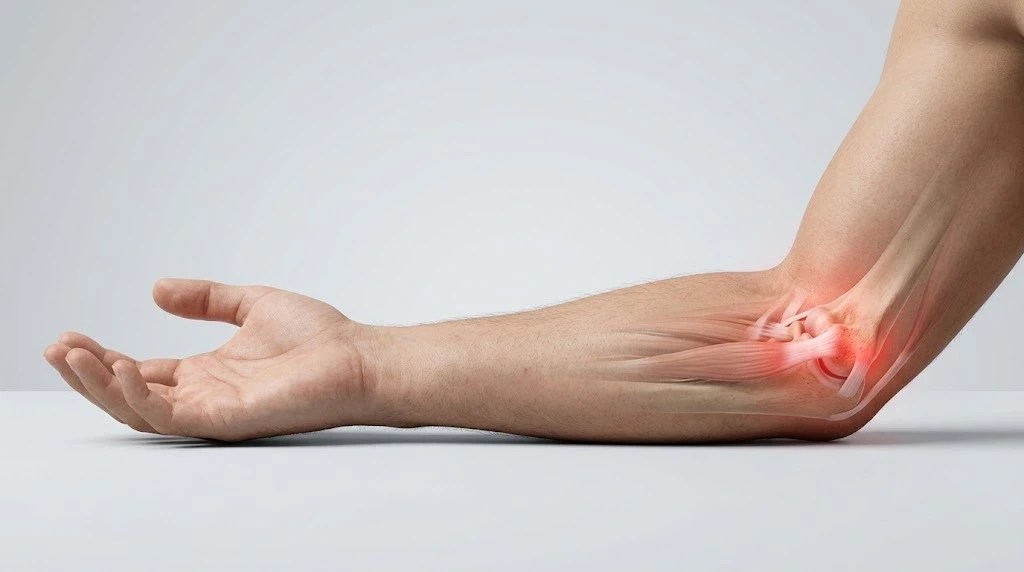
The elbow is a hinge joint made up of three bones: the humerus in the upper arm, and the radius and ulna in the forearm. Tendons attach muscles to these bones, and when those tendons become irritated or inflamed, you feel pain. The location of your pain tells a very specific story.
If you experience inner elbow pain, the culprit is often the flexor tendons. These control wrist bending and gripping. Golfers, weightlifters, and anyone who does repetitive pulling motions commonly deal with this. If you feel inside elbow pain when lifting or pain on inside of elbow when straightening arm, you are likely dealing with medial epicondylitis, commonly called golfer’s elbow.
On the other hand, outer elbow pain or outside elbow pain points toward the extensor tendons. These are responsible for wrist extension and finger opening. Tennis players, carpenters, and even heavy computer users develop this condition. When you have elbow pain when gripping or pain on outside of elbow when straightening arm, lateral epicondylitis or tennis elbow is the usual diagnosis.
Elbow Pain When Bending and Straightening: Why It Happens
One of the most common complaints I hear is elbow pain when bending and straightening. This pattern suggests that both the joint capsule and surrounding soft tissues are irritated. Sometimes, there is even a mechanical block like a loose cartilage fragment or bone spur.
Many people ask, “Why do I have sudden elbow pain without injury?” This can happen due to referred pain from the neck or shoulder, early arthritis, or even nerve compression. If you feel pain in elbow when straightening arm along with numbness or tingling, the ulnar nerve might be involved.
Let me explain the three main reasons behind this movement-related pain.
Tendon Overload and Micro-Tearing
When you repeatedly grip, twist, or lift heavy objects, the tendons in your elbow absorb massive stress. Over time, microscopic tears develop. These tears trigger inflammation and pain, especially during loaded movements. If you notice elbow pain when lifting and gripping, stop assuming it will heal on its own. Rest is necessary, but rest alone is rarely enough.
Joint Stiffness and Capsular Tightness
A stiff elbow joint increases friction during movement. Think of a rusty hinge — every time you force it open or closed, the grinding creates pain. When you feel elbow pain when bending deeply, the joint capsule may be tight. This often happens after prolonged immobilization or poor posture during desk work.
Nerve Compression and Referred Pain
Sometimes the source of elbow pain is not the elbow at all. The ulnar nerve runs through a narrow tunnel on the inner side of the elbow. If that nerve gets compressed, you may feel inside elbow pain with electric shocks down the forearm. Similarly, problems in the neck or shoulder can refer pain to the elbow. That is why you should never ignore shoulder and elbow pain that occurs together.
The 7 Safest and Smartest Remedies for Elbow Pain
Now that you understand what is going on, let us focus on solutions. These seven methods are safe, effective, and supported by clinical evidence. You can start most of them today without any special equipment.
1. Active Rest and Load Modification
The worst thing you can do for elbow pain is push through it. The second worst thing is complete rest. Active rest means you stop the painful activity temporarily while continuing gentle, pain-free movement. For example, if you have elbow pain from bike riding, adjust your handlebar position and reduce riding intensity for a week. If you have left elbow pain from lifting, switch to lower weights and avoid exercises that trigger sharp pain.
2. Isometric Wrist Extension and Flexion Exercises
Isometrics are the safest starting point for tendon pain. Press your opposite hand against your wrist and resist movement without changing joint angle. Hold each contraction for 20 to 30 seconds. This reduces pain and maintains tendon strength without aggravating the tissue. Do this three times daily for tennis elbow pain or inner elbow pain.
3. Eccentric Strengthening with a Light Dumbbell
Once isometrics feel comfortable, progress to slow eccentric exercises. Hold a very light dumbbell, support your forearm on a table, and lower the weight over three to five seconds. This controlled lengthening stimulates tendon healing. It is one of the most powerful natural remedies for elbow pain because it addresses the root cause rather than masking symptoms.
4. Self-Massage and Trigger Point Release
Tight forearm muscles pull on the elbow tendons and worsen pain. Use your thumb or a massage ball to press into tender spots in the forearm flexors and extensors. Spend one to two minutes per area. This improves blood flow, breaks up adhesions, and reduces strain on the tendon attachment points. People often ask how to fix inner elbow pain without drugs — this is one answer.
5. Night Splinting for Nerve-Related Discomfort
If you experience elbow pain when sleeping or waking up with numbness, try a night splint. Keeping the elbow slightly extended at night reduces pressure on the ulnar nerve and prevents the arm from curling into a painful position. This is especially useful for inside of elbow pain that radiates into the ring and pinky fingers.
6. Heat and Ice Combination Therapy
Ice reduces acute inflammation and numbs sharp pain. Heat increases circulation and relaxes stiff tissues. Use ice for ten minutes after activity or during flare-ups. Use heat for ten minutes before stretching or mobility work. This combination works well for elbow joint pain that feels both stiff and inflamed.
7. Ergonomic Adjustments and Grip Modifications
Your daily habits matter more than any single exercise. If you work on a computer, ensure your forearms are parallel to the floor and your wrists are neutral. Use a vertical mouse if you have outer elbow pain. If you lift weights, use a neutral grip or false grip to reduce strain on the inside of elbow. Small changes like these prevent recurring flare-ups.
When to Seek Medical Treatment for Elbow Pain
Home remedies work for most cases, but some situations require professional care. If your elbow pain when lifting persists beyond six weeks despite rest and exercises, see a doctor. Red flags include significant swelling, visible deformity, inability to move the elbow, fever, or severe night pain. These could indicate infection, fracture, or severe nerve compression.
For insurance and documentation purposes, doctors use ICD-10 codes. Right elbow pain ICD 10 is M25.521, while left elbow pain ICD 10 is M25.522. Mentioning your specific side and symptom pattern helps your provider give accurate treatment.
Quick Reference Table: Inner vs. Outer Elbow Pain
| Feature | Inner Elbow Pain | Outer Elbow Pain |
| Common Name | Golfer’s Elbow | Tennis Elbow |
| Affected Tendons | Flexor tendons | Extensor tendons |
| Aggravated By | Gripping, wrist bending | Lifting, wrist extension |
| Typical Activities | Golf, pull-ups, curls | Tennis, typing, hammering |
| Best Initial Fix | Isometric flexor holds | Isometric extensor holds |
Frequently Asked Questions About Elbow Pain
What causes elbow pain when bending and straightening the arm?
Elbow pain when bending and straightening usually stems from tendon inflammation, joint stiffness, or nerve irritation. The most common triggers include repetitive gripping, poor ergonomics, and overuse during sports or manual labor. If the pain persists, a thorough examination can rule out arthritis or loose cartilage.
Where is tennis elbow pain located?
Tennis elbow pain is located on the outside of the elbow. You will often feel a tender spot just below the bony bump on the outer side. This pain may radiate down the forearm and worsen when you lift, grip, or shake hands.
Can carpal tunnel cause elbow pain?
Yes, carpal tunnel syndrome can cause elbow pain in some cases. The median nerve travels through the wrist and forearm, and compression at the wrist can cause referred aching in the elbow. However, isolated elbow pain without wrist symptoms is more likely tendon-related.
How can I relieve elbow joint pain at night?
To relieve elbow joint pain at night, avoid sleeping with your arm tightly bent. Use a pillow to support the forearm in a relaxed position. A night splint can also help keep the elbow extended and reduce pressure on nerves and tendons.
What is the fastest way to fix inner elbow pain?
The fastest way to fix inner elbow pain is active rest combined with isometric flexor strengthening. Stop painful activities for a short period, then begin gentle resisted wrist flexion without joint movement. Ice the area after activity and avoid heavy gripping until pain subsides.
Why does my elbow hurt when I grip something?
Gripping requires strong contraction of forearm muscles that attach near the elbow. If those tendons are irritated or partially torn, gripping creates tension and pain. This is common in both tennis elbow and golfer’s elbow.
Does elbow discomfort go away on its own?
Mild elbow pain from a single overuse episode may improve with rest. But chronic tendon pain rarely heals completely without targeted exercise and load management. Ignoring it often leads to more pain and longer recovery times.
Final Verdict: Your Smart Action Plan for Elbow Pain
Elbow pain is a signal, not a life sentence. The key is matching the right remedy to the right location and cause. If you have outer elbow pain from gripping, focus on eccentric extensor work. If you have inner elbow pain when bending, prioritize flexor isometrics and nerve-friendly sleeping positions.
Start with active rest and one gentle exercise. Add self-massage and ergonomic adjustments over the following week. Track your pain levels daily — not by pushing through, but by observing what movements feel easier. Most people who stay consistent see meaningful improvement within two to three weeks.
Do not chase magic creams or endless gadgets. Fix the mechanics, calm the inflammation, and rebuild the tendon gradually. That is the smartest, safest way to beat elbow pain in 2026 and keep it from coming back.