7 Critical Signs of Pneumonia You Must Never Ignore
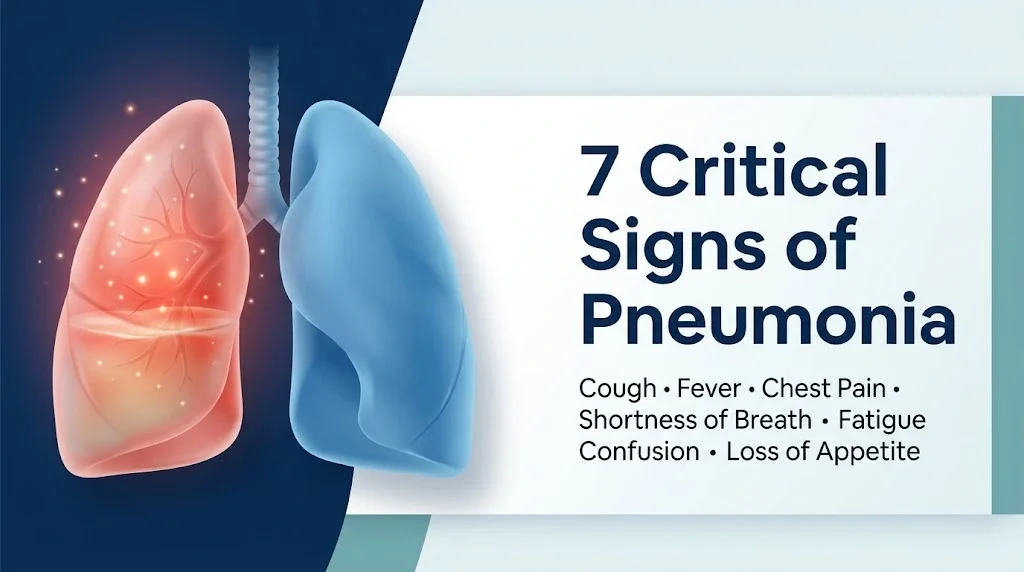
Pneumonia is not just a bad cold. It is a serious lung infection that fills your air sacs with fluid or pus, making every breath a battle. Every year, millions of people worldwide end up in hospitals because they ignored the early signs of pneumonia until it became dangerous.
The problem is simple. Most people cannot tell the difference between a stubborn flu and the early signs of pneumonia. They wait too long. They assume rest and tea will fix everything. Then suddenly, they are gasping for air in an emergency room.
This guide will walk you through seven critical signs of pneumonia that demand your attention. You will learn what your body is trying to tell you, when to call a doctor, and how to protect yourself before things spiral out of control.
Understanding Pneumonia: A Quick Overview
Pneumonia happens when bacteria, viruses, or fungi attack your lungs. The tiny air sacs called alveoli become inflamed and fill with fluid. Oxygen cannot reach your bloodstream properly. Your body starts working overtime just to keep you breathing.
Anyone can get pneumonia. But older adults, young children, and people with weak immune systems face the highest risk.Early detection is crucial to recovery. Recognizing the signs of pneumonia quickly can mean the difference between a week of antibiotics and a lengthy hospital stay.
Doctors categorize pneumonia based on where you caught it. Community-acquired pneumonia happens in daily life. Hospital-acquired pneumonia is more dangerous because the germs are often resistant to antibiotics. No matter the type, the warning signs remain similar.
The 7 Most Common Signs of Pneumonia
1. A Cough That Refuses to Go Away
A normal cold cough fades within a week. A pneumonia cough digs in and gets worse. Green, yellow, or even crimson mucous may come out of your cough. This is your lungs desperately trying to clear out the infection.
Pay attention to the sound. A dry cough that turns wet and productive after several days is a classic sign of pneumonia. If you find yourself coughing so hard that your chest hurts, do not brush it off.Your body is raising an alarm.
2. Fever, Sweating, and Shaking Chills
A high fever is your immune system fighting back. With pneumonia, the fever often climbs above 100.4°F (38°C). You might experience intense sweating followed by shaking chills that make your teeth chatter.
This cycle is exhausting. Your body burns energy trying to regulate temperature while also fighting the lung infection. If over-the-counter fever reducers barely help and the chills keep returning, you need medical evaluation immediately.
3. Shortness of Breath (Even While Resting)
This is one of the most alarming signs of pneumonia. You feel winded after walking to the kitchen. You struggle to finish a sentence without catching your breath. Even sitting still feels like you just ran a marathon.
Why does this happen? There is some fluid in your lungs. They cannot expand fully. Oxygen levels in your blood drop. Your brain signals your body to breathe faster to compensate. If you notice this symptom, do not wait until morning. Seek urgent care.
4. Sharp Chest Pain That Worsens with Breathing
Pneumonia often causes pleuritic chest pain. This is a sharp, stabbing sensation that gets worse when you cough, sneeze, or take a deep breath. The pain comes from inflammation in the lining around your lungs.
Some people mistake this for a pulled muscle or heart problem. While chest pain always deserves attention, pain linked to breathing is a strong indicator of lung involvement. A doctor can quickly determine if pneumonia is the culprit.
5. Confusion or Mental Fog (Especially in Older Adults)
This sign of pneumonia surprises many people. It is most common in seniors aged 65 and older. The infection reduces oxygen delivery to the brain. The result is sudden confusion, disorientation, or unusual drowsiness.
Frequently, family members become aware of the shift before the patient does. A normally sharp grandparent suddenly cannot remember what day it is or seems unusually lethargic. This is a medical emergency.Do not assume it is merely aging.
6. Extreme Fatigue and Weakness
Pneumonia drains you. Your body diverts massive energy resources toward fighting the lung infection. The result is crushing fatigue that sleep does not fix. You might struggle to lift a glass of water or walk to the bathroom.
This is different from normal tiredness. It is a bone-deep exhaustion that makes even small tasks feel impossible. Combined with other signs of pneumonia, this fatigue is a strong signal to see a healthcare provider.
7. Loss of Appetite and Nausea
Many people do not connect digestive issues with lung infections. But pneumonia can cause loss of appetite, nausea, vomiting, and sometimes diarrhea. This is especially common in children.
When your body is fighting a severe infection, the digestive system shuts down as a protective measure. You simply do not feel hungry. Dehydration becomes a real risk. If you or a loved one refuses food and water while showing other signs of pneumonia, seek help.
Signs of Pneumonia in Children vs. Adults
| Age Group | Common Signs of Pneumonia | Unique Warning Signs |
| Infants (0-2) | Rapid breathing, cough, fever | Flaring nostrils, bluish lips, poor feeding |
| Children (3-12) | Cough, fever, chest pain | Vomiting, abdominal pain, unusual tiredness |
| Adults (13-64) | Productive cough, chills, shortness of breath | Night sweats, sharp chest pain, confusion |
| Seniors (65+) | Weakness, mild cough, low fever | Sudden confusion, falls, loss of appetite |
Children cannot always describe how they feel. Parents should watch for rapid breathing, grunting sounds, and decreased activity. Seniors may not develop a high fever at all. Their primary sign of pneumonia might be confusion or a sudden decline in function.
Understanding these differences saves lives. A child with pneumonia might complain of a tummy ache instead of chest pain. A grandparent might just seem “off” without any dramatic cough. Trust your instincts when something feels wrong.
When Should You See a Doctor Immediately?
Certain warning signs require emergency medical attention. Do not wait for a regular appointment if you experience any of the following:
- Bluish or gray lips and fingernails
- Breathing so fast you cannot speak full sentences
- Severe chest pain that feels crushing
- A fever above 103°F (39.4°C) that does not respond to medication
- Confusion or inability to stay awake
- Coughing up blood
These symptoms indicate your body is losing the fight. Immediate treatment with oxygen, IV fluids, and antibiotics can stop the infection from becoming life-threatening.
Frequently Asked Questions About Signs of Pneumonia
What is the first sign of pneumonia?
The first sign of pneumonia is often a persistent cough that worsens over several days. You may also notice unusual fatigue and a low-grade fever. These early signs of pneumonia can mimic a cold, which is why many people delay treatment.
Can signs of pneumonia appear suddenly?
Yes. Some types of pneumonia, especially bacterial pneumonia, can develop rapidly within 24 to 48 hours. You might feel fine in the morning and develop high fever, chills, and shortness of breath by evening. Viral pneumonia tends to develop more slowly.
How do I know if I have bronchitis or signs of pneumonia?
The airways that lead to your lungs are impacted by bronchitis. Pneumonia affects the lung tissue itself. A chest X-ray is the only way to confirm the difference. However, pneumonia more commonly causes high fever, chills, and shortness of breath. Bronchitis usually stays in the upper chest with milder symptoms.
Can you have pneumonia without a fever?
Yes. Older adults and people with weakened immune systems may not develop a fever. They might only experience fatigue, confusion, and mild coughing. This is why recognizing all signs of pneumonia, not just fever, is so important for vulnerable populations.
How long do signs of pneumonia last?
With proper treatment, most people feel better within 3 to 5 days. However, fatigue and a lingering cough can persist for weeks or even months. If symptoms worsen or do not improve after starting antibiotics, contact your doctor.
Are signs of pneumonia different with COVID-19?
COVID-19 pneumonia can cause similar signs of pneumonia, including cough, fever, and shortness of breath. One unique symptom is the sudden loss of taste or smell. COVID-19 pneumonia may also cause silent hypoxia, where oxygen levels drop dangerously low without noticeable breathing difficulty.
Can you treat signs of pneumonia at home?
Mild pneumonia in healthy adults can sometimes be managed at home with oral antibiotics, rest, and fluids. But only a doctor can determine if your case is safe for home treatment. Never try to self-diagnose or ignore worsening signs of pneumonia.
Final Verdict: Listen to Your Lungs
Pneumonia is a shape-shifter. Sometimes it announces itself with a dramatic fever and violent cough. Other times, it creeps in quietly with nothing more than fatigue and confusion. The danger lies in waiting too long to act.
You know your body better than anyone. If you or someone you love shows multiple signs of pneumonia, especially shortness of breath or chest pain, do not gamble with time. A simple chest X-ray can confirm the diagnosis. A course of antibiotics can save your life.
The lungs are resilient organs. They can recover from serious infections when given prompt treatment. But they cannot heal if you ignore the warning signs. Trust the signals your body sends. When in doubt, get checked out.