Vestibular Migraine Symptoms of That Do not Feel Like a Headache
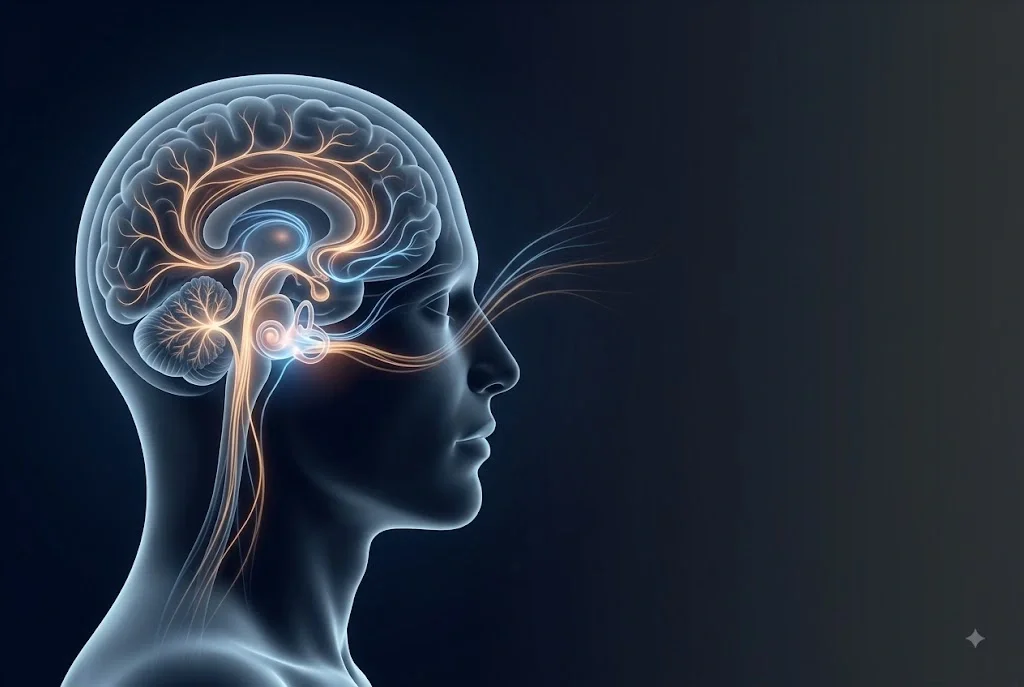
You know that sinking feeling when the room suddenly starts spinning, your stomach drops, and you grab the nearest wall for support? Then someone asks, “Oh, are you getting a headache?” And you answer, “No, not at all.” That exact disconnect is what makes this condition so maddening.
Most people still think migraines mean a throbbing skull. But when your balance goes haywire and head pain never shows up, you are trapped in a medical blind spot. Doctors mislabel it as vertigo. Friends think you are overreacting. Meanwhile, your brain is screaming for stability. You are not imagining things. What you are experiencing has a name, and recognizing the real vestibular migraine symptoms can finally give you back control.
Why Your Dizzy Spells Keep Getting Dismissed
Walk into an emergency room and say the word dizzy. The immediate checklist includes inner ear crystals, low blood pressure, or maybe dehydration. No one jumps to migraine. Why? Because the textbook image of migraine is a person curled up in a dark room with ice packs on their temples.
But your nervous system has a far bigger playbook. The truth is, migraine symptoms extend way beyond head pain. The vestibular system—your inner ear and its connection to the brain—sits on highly sensitive neurological wiring. When that wiring misfires during a migraine attack, you get chaos without the classic headache.
This explains why silent migraine symptoms exist. A silent migraine skips the pounding skull phase and moves directly to confusion, visual noise, or in your case, relentless imbalance. Your brain’s electrical storm stays confined to regions controlling equilibrium. You feel drunk without drinking.
You sway while standing still. And every test comes back normal. Knowing this distinction is the first crack in the wall of medical gaslighting. Once you accept that migraine can hijack your balance without head pain, you can finally start connecting dots that specialists ignored.
Recognizing The Core Vestibular Migraine Symptoms
The hallmark of this condition is how it mimics other problems. You will see overlap with Meniere’s disease, anxiety disorders, and even stroke scares. But the pattern reveals the truth.
True vestibular migraine symptoms fluctuate dramatically. One day you feel almost normal. The next day, supermarket aisles become torture chambers. Your symptoms play hide-and-seek with triggers like weather changes, hormonal shifts, and specific foods. Let’s break down what actually happens inside your body during these episodes.
Spontaneous Vertigo As One Of The Most Frightening Vestibular Migraine Symptoms
Imagine sitting on your couch watching television. No stress, no sudden movement. Then out of absolutely nowhere, the room tilts 45 degrees. Your hands grip the armrest. Your heart races. This internal earthquake lasts anywhere from five minutes to several hours.
Among all vestibular migraine symptoms, this unprovoked spinning sensation terrifies people the most. When it finally passes, you feel wrung out like a wet towel. These attacks separate vestibular migraine from BPPV, where crystals shift only when you turn your head. Here, stillness offers no safety. The attack arrives on its own schedule, often leaving you terrified of the next ambush.
Motion-Induced Dizziness As A Daily Vestibular Migraine Symptom People Ignore
This specific vestibular migraine symptom turns everyday life into a gauntlet. Walking down a grocery aisle with fluorescent lights flickering overhead becomes unbearable. Riding in a car while tracking passing telephone poles triggers a sickening wave.
Even scrolling Instagram with videos auto-playing can set off a swaying sensation. Your brain cannot filter out background movement correctly. Long after you have stopped moving, it continues to detect motion. This is why many people report feeling “hungover” for a full day after a simple shopping trip. The motion sensitivity overlaps with what eye specialists call ocular migraine symptoms, because visual triggers directly feed this imbalance loop.
Severe Imbalance While Standing Still And Other Severe Migraine Symptoms
Close your eyes in the shower. Do you immediately feel like you might fall? This specific marker among severe migraine symptoms often gets blamed on aging or weak ankles. But neurologically, it points toward the brain’s inability to maintain posture without visual anchors.
When you stand with feet together and eyes shut, a healthy brain integrates signals from joints and muscles to stay upright. A brain in the middle of a vestibular migraine cannot perform this calculation. The result is a sickening sway, sometimes violent enough to make you stumble sideways. These severe migraine symptoms deserve urgent neurological attention, not dismissal as simple clumsiness.
How Migraine Symptoms Eyes Specialists Track Reveal Hidden Vestibular Migraine Symptoms
This connects deeply with migraine symptoms eyes specialists frequently document. Striped patterns on shirts, checkerboard floors, busy wallpaper, scrolling text on screens—these become nausea triggers. Your eyes aren’t damaged. The problem sits in how your brain processes complex visual data during a sensitized state.
Light sensitivity, or photophobia, hits differently here. It’s not just about brightness. It’s about pattern glare. A simple pedestrian crosswalk paint pattern can make the ground appear to warp under your feet. These migraine symptoms eyes doctors observe often serve as early warning signals for underlying vestibular migraine symptoms.
Conditions Often Confused With Vestibular Migraine
Misdiagnosis rates remain shockingly high because several conditions share overlapping features. Hemiplegic migraine symptoms sometimes mimic stroke with one-sided weakness, scaring both patients and ER doctors.
Abdominal migraine symptoms primarily hit children with stomach pain and vomiting but can persist into adulthood alongside dizziness. Even complex migraine symptoms with prolonged aura can produce balance loss lasting days. The table below clarifies the confusion.
| Condition | Key Distinction | Duration Pattern |
| Vestibular Migraine | Dizziness without consistent hearing loss | Minutes to days, fully resolves between attacks |
| Meniere’s Disease | Vertigo with progressive hearing loss and tinnitus | Episodes cluster, hearing declines permanently |
| BPPV (Crystals) | Brief spinning only with head position changes | Seconds, stops when head is still |
| PPPD | Constant rocking/swaying, not spinning | Persistent daily, waxes and wanes |
How Long Can Migraine Symptoms Last When Vestibular System Is Involved
People desperately want to know how long can migraine symptoms last. The honest answer frustrates but frees you. Acute vertigo attacks typically span five minutes to 72 hours. But the post-attack hangover, what neurologists call the postdrome phase, stretches for days.
During this window, you feel boat-rocking sensations, brain fog thick as mud, and exhaustion deep in your bones. This lingering phase often triggers more anxiety than the spinning itself because you start wondering if you will ever feel steady again. You will. The nervous system always resets.
Knowing this timeline prevents the panic spiral that feeds the next attack. Unlike standard headaches, vestibular migraine symptoms demand patience through extended recovery windows.
Finding Real Relief For Vestibular Migraine Symptoms
When you search how to treat vestibular migraine symptoms, you will drown in supplement lists and diet plans. Some genuinely help. Magnesium glycinate, riboflavin, and CoQ10 have solid research backing. Vestibular rehabilitation therapy retrains your brain to process balance signals correctly through specific exercises that initially make you feel worse before better.
The newer question many ask, how does symbravo relieve migraine symptoms, points to medication advances targeting CGRP pathways that calm the neurological storm driving both pain and dizziness. However, no pill works without lifestyle scaffolding. Identifying your triggers through meticulous journaling remains the single most powerful intervention for managing vestibular migraine symptoms long-term.
Frequently Asked Questions About Vestibular Migraine Symptoms
What Are The Symptoms Of A Migraine That Affect Balance And Cause Vestibular Migraine Symptoms?
Balance disruption from migraine shows up as spontaneous spinning vertigo, persistent rocking sensations like being on a boat, motion-induced queasiness, and a sudden inability to stand with eyes closed without swaying dangerously.
These what are the symptoms of a migraine questions often surprise people because head pain never appears in vestibular migraine symptoms episodes.
What Are The Symptoms Of An Ocular Migraine That Trigger Vestibular Migraine Symptoms?
Visual aura with zigzag lines, blind spots expanding across your field of vision, and extreme pattern sensitivity all rank high among what are the symptoms of an ocular migraine complaints. These visual migraine symptoms eyes specialists track directly feed dizziness because your brain receives scrambled visual data that conflicts with inner ear balance signals, triggering vestibular migraine symptoms.
What Are The Symptoms Of A Silent Migraine That Overlap With Vestibular Migraine Symptoms?
Silent migraine skips head pain entirely and attacks with aura symptoms alone. Dizziness, visual distortions, speech difficulty, numbness, and confusion arrive without any headache warning. The public rarely understands these what are the symptoms of a silent migraine presentations. Many patients experiencing silent migraine symptoms actually have underlying vestibular migraine symptoms that doctors completely overlook.
What Are The Symptoms Of A Migraine Headache Compared To Vestibular Migraine Symptoms?
Classic what are the symptoms of a migraine headache involves throbbing one-sided head pain, nausea, light sensitivity, and sound sensitivity. Vestibular type replaces or adds severe balance loss, motion sickness, and spatial disorientation.
Some unlucky people get both simultaneously, which neurologists call a perfect storm. Understanding this distinction between standard migraine symptoms and vestibular migraine symptoms prevents years of incorrect treatment.
Can A Migraine Cause Stroke Like Symptoms Similar To Vestibular Migraine Symptoms?
When patients ask can a migraine cause stroke like symptoms, doctors confirm that hemiplegic migraine symptoms and severe migraine symptoms can mimic cerebrovascular events perfectly. A stroke is perfectly mirrored by one-sided numbness, trouble speaking, and bewilderment. Always err on the side of emergency care. These what are the symptoms migraine red flags demand immediate brain imaging without delay.
How Long Can Migraine Symptoms Last When Vestibular Migraine Symptoms Persist?
Many sufferers ask how long can migraine symptoms last because vestibular migraine symptoms often outlast typical headaches. Acute vertigo attacks span five minutes to 72 hours. The postdrome hangover phase extends for days with boat-rocking sensations and brain fog. This timeline surprises people accustomed to shorter headache-only episodes.
Your balance system is not broken beyond repair. Your brain is simply louder than most, reacting dramatically to triggers others ignore. When you finally name the dragon as vestibular migraine, you stop fighting the wrong battles.
You stop explaining yourself to people who refuse to understand invisible illness. You start building the exact combination of prevention, acute rescue strategies, and environmental control that lets you walk through a grocery store without fear. The room may spin again tomorrow. But now you know why. And knowing why changes everything.