What Are the Four Stages of Liver Cirrhosis? A Complete Breakdown
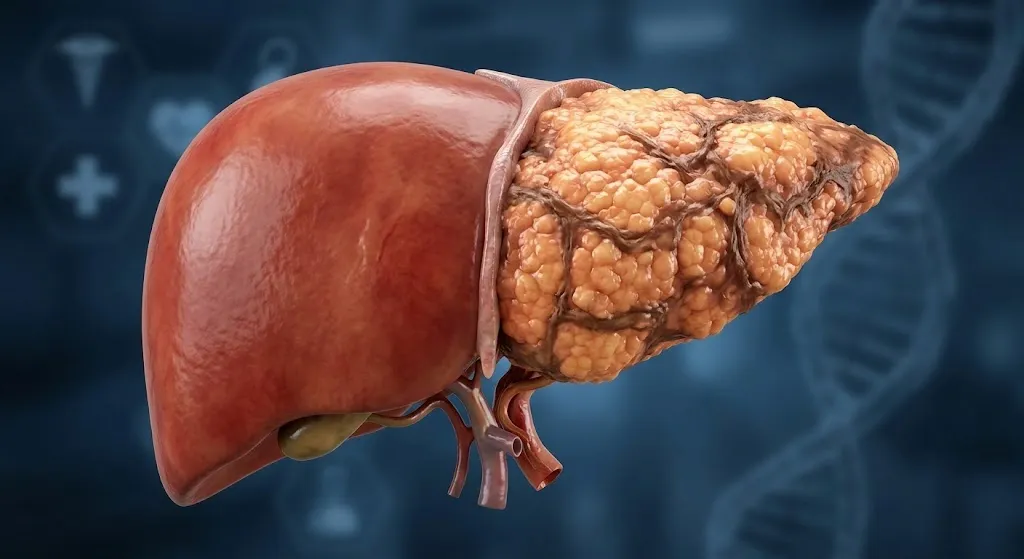
Your liver works silently every single day. It filters toxins, produces bile, stores energy, and keeps your entire body running smoothly. But when cirrhosis creeps in, this quiet organ starts screaming for help. And the scary part? The majority of people are unaware of the damage until it is rather serious.
Understanding what are the four stages of liver cirrhosis? could literally save your life. Because once you know the progression, you can act before it’s too late.
This guide breaks down each stage with clear signs, real symptoms, and treatment options. You’ll also learn whether cirrhosis can be reversed and how long you can live with this condition.
What Is Cirrhosis of the Liver?
Cirrhosis happens when healthy liver tissue gets replaced by scar tissue. This scarring blocks blood flow and slows down liver function. Over time, the liver struggles to do its job.
Many people ask what is cirrhosis in simple terms. Think of your liver like a sponge. A healthy sponge is soft and flexible. A cirrhotic liver becomes hard, lumpy, and stiff. It can’t absorb nutrients or filter blood properly.
What causes cirrhosis of the liver? The most common culprits include:
- Heavy alcohol consumption over many years
- Chronic hepatitis B or C infections
- Non-alcoholic fatty liver disease (NAFLD)
- NASH cirrhosis (non-alcoholic steatohepatitis)
- Primary biliary cirrhosis (an autoimmune condition)
- Genetic disorders like hemochromatosis
Each cause leads to the same result: progressive scarring that moves through four distinct stages.
What Are the Four Stages of Liver Cirrhosis?
Doctors classify cirrhosis into four stages based on how much damage has occurred. Knowing these stages helps patients understand their condition and plan treatment.
Stage 1: Compensated Cirrhosis (Mild Scarring)
The first stage often goes completely unnoticed. The liver still functions despite some scarring. Patients usually feel normal.
Cirrhosis symptoms at this stage include:
- Mild fatigue
- Occasional nausea
- Slight loss of appetite
- General weakness
Most people discover stage 1 cirrhosis through routine blood tests or imaging for unrelated issues. The liver compensates for the damage, which means it still performs essential tasks.
At this point, cirrhosis treatments focus on addressing the underlying cause. If alcohol is the trigger, stopping immediately can prevent further damage. If hepatitis is responsible, antiviral medications help.
Stage 2: Compensated Cirrhosis with Varices (Moderate Scarring)
By stage 2, scarring increases significantly. Blood pressure in the portal vein rises, causing a condition called portal hypertension.
This pressure forces blood to find alternate routes. Small blood vessels in the esophagus and stomach stretch and swell. These swollen vessels are called varices.
Signs of cirrhosis in stage 2 include:
- Swollen veins visible on the abdomen
- Easy bruising
- Persistent itching
- Dark urine
- Mild confusion
The key difference from stage 1 is the development of varices. They may burst, resulting in potentially fatal hemorrhage.
Doctors often prescribe beta-blockers to reduce portal pressure. Regular endoscopies monitor the varices.
Stage 3: Decompensated Cirrhosis (Severe Scarring)
Stage 3 marks a turning point. The liver can no longer compensate for the damage. Decompensated cirrhosis means serious complications have appeared.
Liver cirrhosis symptoms at this stage include:
- Jaundice (yellowing of skin and eyes)
- Ascites (fluid buildup in the abdomen)
- Severe fatigue
- Confusion or brain fog (hepatic encephalopathy)
- Easy bleeding and bruising
- Swelling in legs and ankles
Ascites is particularly dangerous. Fluid accumulates in the belly, causing discomfort and breathing difficulties. Many people ask how long can you live with ascites with cirrhosis — the answer depends on treatment response.
Patients at this stage need close medical supervision. Diuretics help remove excess fluid. Lactulose reduces toxins in the brain. A low-sodium diet becomes essential.
Stage 4: End-Stage Cirrhosis (Liver Failure)
Stage 4 is also called liver failure or how bad is stage 4 cirrhosis of the liver — the answer is very serious. The liver has lost almost all function.
Symptoms of cirrhosis of the liver in final stage:
- Complete liver failure
- Severe jaundice
- Massive fluid retention
- Continuous bleeding
- Kidney failure
- Coma
At this point, a liver transplant is the only definitive treatment. Without a transplant, survival rates drop dramatically.
Many patients ask how long can you live with cirrhosis of the liver at stage 4. Without transplant, most people survive 1 to 3 years. With a successful transplant, many live 10+ years.
Cirrhosis Stages Comparison Table
| Stage | Liver Function | Key Symptoms | Treatment Options |
| Stage 1 | Mildly reduced | Fatigue, nausea | Treat underlying cause, lifestyle changes |
| Stage 2 | Moderately reduced | Varices, bruising, itching | Beta-blockers, regular monitoring |
| Stage 3 | Severely reduced | Ascites, jaundice, confusion | Diuretics, lactulose, low-sodium diet |
| Stage 4 | Almost zero | Liver failure, coma | Liver transplant evaluation |
This table shows how rapidly cirrhosis progresses when left untreated.
Can Cirrhosis Be Reversed?
This is the million-dollar question. Can cirrhosis be reversed? The honest answer is complicated.
Early-stage cirrhosis (stage 1 and sometimes stage 2) can show improvement if the cause is removed. Scarring may not disappear completely, but liver function can stabilize. Some patients ask how i cured my liver cirrhosis — the answer usually involves:
- Complete alcohol abstinence
- Weight loss for fatty liver
- Antiviral therapy for hepatitis
- Healthy diet and exercise
Is cirrhosis reversible? Not entirely. Scar tissue doesn’t turn back into healthy liver cells. But stopping further damage makes a massive difference.
Once you reach decompensated cirrhosis or stage 4, reversal isn’t possible. The focus shifts to managing complications and preparing for transplant.
Can you reverse cirrhosis of the liver? The best answer: you can stop progression, especially early on. But full reversal remains beyond current medical capabilities.
How Long Does Cirrhosis Take to Kill You?
This question sounds harsh, but people facing this diagnosis need honest answers. How long does cirrhosis take to kill you depends on multiple factors:
- Stage at diagnosis
- Underlying cause
- Treatment compliance
- Overall health
- Alcohol use after diagnosis
Someone diagnosed at stage 1 who stops drinking immediately may live decades. Someone at stage 4 with continued alcohol use may survive only months.
How long does it take to get cirrhosis? Typically 10 to 20 years of ongoing liver damage. Heavy drinkers may develop it faster.
Is cirrhosis of the liver cancer? No. Cirrhosis increases cancer risk, but they’re different conditions. Cirrhosis is scarring. Liver cancer is abnormal cell growth.
What Is the Best Treatment for Liver Cirrhosis?
What is the best treatment for liver cirrhosis depends on the stage and cause.
For early stages:
- Stop alcohol completely
- Lose weight if needed
- Treat hepatitis infections
- Control diabetes and cholesterol
- Eat a liver-friendly diet
For advanced stages:
- Diuretics for fluid retention
- Lactulose for brain fog
- Beta-blockers for varices
- Regular paracentesis (fluid drainage)
- Liver transplant evaluation
What causes cirrhosis also guides treatment. Alcoholic cirrhosis requires sobriety. NASH cirrhosis requires weight management. Primary biliary cirrhosis needs specific immunosuppressants.
Frequently Asked Questions About Cirrhosis
What are the four phases of liver cirrhosis?
The four stages are compensated cirrhosis (mild scarring), compensated with varices (moderate scarring and portal hypertension), decompensated cirrhosis (severe scarring with complications like ascites and jaundice), and end-stage cirrhosis (liver failure requiring transplant). Each stage shows worsening liver function and more serious symptoms.
What are the initial signs of liver cirrhosis?
Early cirrhosis symptoms include persistent fatigue, mild nausea, loss of appetite, and occasional abdominal discomfort. Many people miss these signs because they’re vague. Regular liver function tests catch cirrhosis before obvious symptoms appear.
How long can someone with liver cirrhosis survive?
Life expectancy varies dramatically by stage. Stage 1 patients can live 15 to 20 years with proper treatment. Stage 3 patients typically survive 5 to 10 years. Stage 4 patients need transplant within 1 to 3 years to survive.
Can cirrhosis of the liver be reversed?
Complete reversal isn’t currently possible. Scar tissue remains permanently. But early-stage cirrhosis can stabilize with treatment. Removing the cause (alcohol, hepatitis, obesity) stops progression and allows healthy liver tissue to work better.
What is the most effective way to treat liver cirrhosis?
Treatment depends on the underlying cause. Alcohol cessation, antiviral medications, weight loss, and diabetes control work for early stages. Advanced cirrhosis requires managing complications with diuretics, lactulose, and potentially liver transplant.
What causes cirrhosis of the liver?
You develop cirrhosis through long-term liver damage. Heavy drinking, chronic hepatitis B or C, fatty liver disease, autoimmune conditions, and genetic disorders all cause cirrhosis. The damage accumulates over 10 to 20 years before cirrhosis develops.
How do you get cirrhosis of the liver?
You get cirrhosis through ongoing liver injury. Alcohol abuse, untreated hepatitis infections, obesity-related fatty liver, and autoimmune diseases all lead to cirrhosis. The scarring process takes years, which means early intervention makes a huge difference.
Final Verdict: Take Action Before It’s Too Late
Cirrhosis is silent but deadly. The four stages progress from barely noticeable to life-threatening. Understanding what are the four stages of liver cirrhosis? gives you power — the power to catch it early, change your habits, and protect your liver.
If you drink heavily, have hepatitis, or struggle with obesity, get tested today. A simple blood test and ultrasound can reveal your liver’s true condition.
Don’t wait for jaundice or fluid buildup. By then, you’re already in advanced territory. Every day, your liver battles for you. Return the favor and take action now.