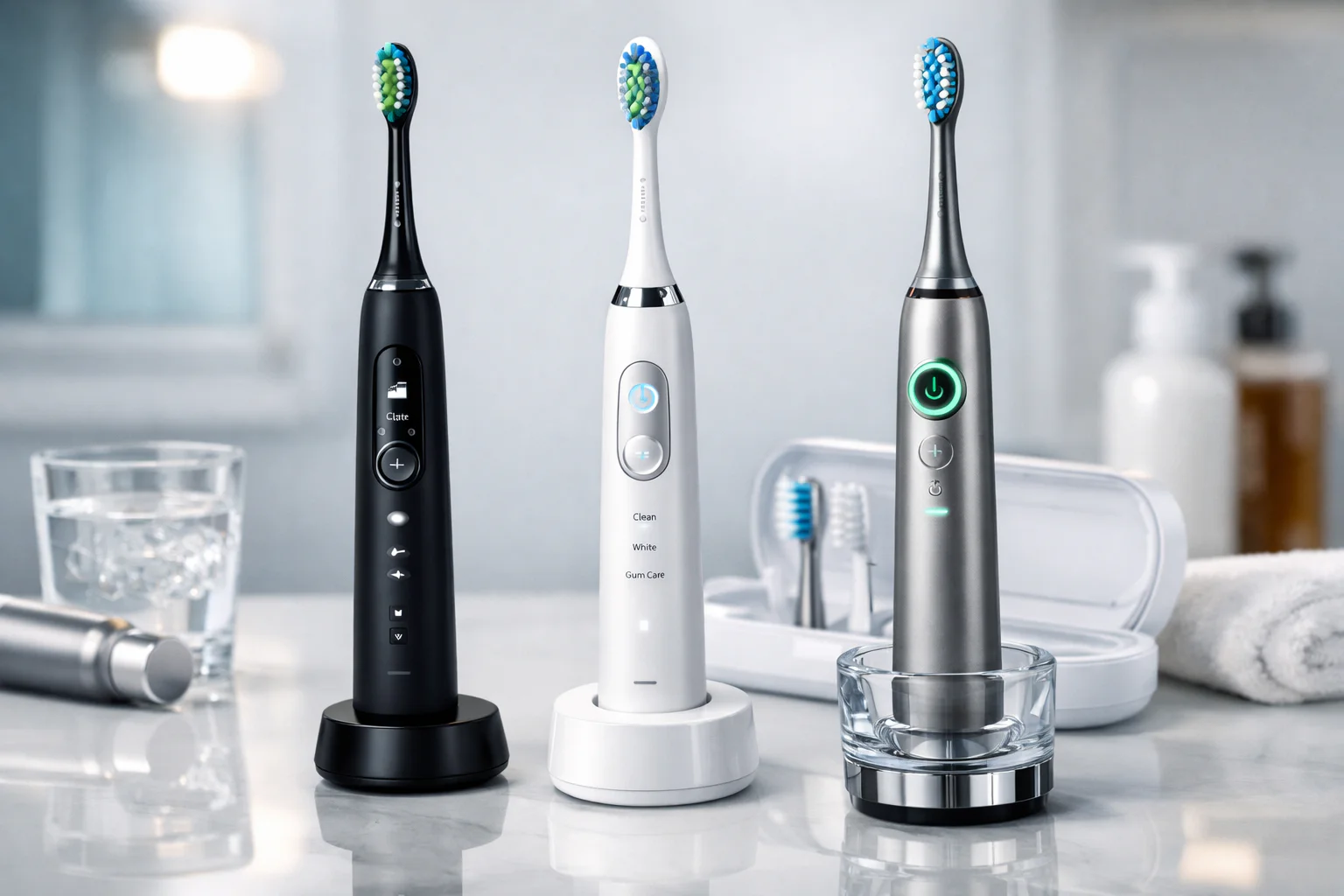
Best Electric Toothbrush
Best Electric Toothbrush: A Clear Guide to Cleaner Teeth and Happier Gums
A strong brushing routine can change how your mouth feels all day. The right electric brush can remove plaque better, guide your timing, and protect gums from harsh pressure. This page keeps everything simple and practical, so you can choose confidently and brush with comfort. You will learn what features matter, which brush styles feel different, and how to get real results at home without confusion.
What Makes the Best Electric Toothbrush for Real Life?
Many people search for the best electric toothbrush because they want clean teeth without guessing. A good brush does more than spin or vibrate. It keeps you on time with a two-minute timer, nudges you to cover every section, and stops you from pressing too hard. That pressure control matters because hard brushing can irritate gums and wear enamel near the gumline. A strong brush also feels comfortable in your hand. If the handle is awkward, you will rush. If the battery is annoying, you may skip brushing when traveling. The best choice is the one you will use twice a day without fighting it.
I look at electric brushes like shoes. The most expensive pair is not always the best. You want the fit and feel that matches your daily routine. Some people love a smooth vibration. Others prefer a small round head that focuses on one tooth at a time. Both can work well, but the “best” depends on your gums, your brushing habits, and your patience for extra features. If you hate apps, skip app-heavy models. If you press too hard, pick a brush with clear pressure feedback. The best electric toothbrush is the one that fixes your biggest brushing problem.
Sonic vs Round-Head: Which Style Should You Pick?
Sonic brushes feel like fast, gentle vibrations. Many people describe them as smooth and easy on the gums. They can be great if you want a softer feel while still getting strong cleaning. Round-head brushes use a small circular head that moves back and forth. It can feel like careful polishing on each tooth. People who struggle with back molars sometimes like the round head because it fits tight areas. If you have sensitive gums, start with a gentle mode and a soft head. If you want a strong “freshly polished” feeling, try a brush with a focused head and steady pacing. The best electric toothbrush is the one that feels right in your mouth from day one.
Features That Matter More Than Fancy Extras
A timer is non-negotiable. It keeps brushing honest when mornings get rushed. A pacing timer that nudges every 30 seconds makes it easier to cover all four mouth sections. A pressure sensor is another big win. Many people brush harder when they are stressed, then wonder why gums look sore. Pressure alerts protect you from that. Next, consider brush head cost and availability. Brush heads are the long-term expense, so pick a system you can maintain. Battery life matters too, because a dead brush often leads to skipped sessions. When all these basics are right, the best electric toothbrush starts feeling like a daily upgrade instead of a gadget.
Best Electric Toothbrush for Sensitive Gums
If your gums bleed easily, your goal is calm brushing, not aggressive scrubbing. Choose a brush with a gentle mode and a clear pressure warning. Pair it with a soft head. For one week, keep your touch light and move slowly. Many people see less irritation just by changing pressure, even before changing toothpaste. A simple trick is to hold the handle like a pencil. That grip naturally reduces force. You should also spend time along the gumline, but never grind the bristles into it. With the right technique, the best electric toothbrush can make brushing feel easier and less stressful.
Best Electric Toothbrush for Plaque and Deep Cleaning
For deep cleaning, focus on consistent coverage and a head that reaches tricky zones. Plaque often builds behind the lower front teeth and around back molars. A brush that encourages slow movement and full time coverage can reduce that. You may also like a “clean” or “whitening” mode, but don’t treat it like a shortcut. Brushing well still needs patience. The biggest upgrade is brushing two full minutes without rushing. For extra freshness, add gentle tongue cleaning and floss daily. Even the best electric toothbrush can’t fully clean between tight teeth without floss or interdental tools.
Best Electric Toothbrush for Kids and Teens
Kids do best with simple controls, a small head, and a strong timer. Too many modes can confuse them. A comfortable handle helps small hands grip without slipping. If your child dislikes harsh vibration, a gentle brush can reduce resistance at night. For teens with braces, slow brushing around brackets matters more than raw power. A timer and pacing can stop rushing. One practical idea is to brush together for one week, just to build the habit. After that, the timer becomes the “coach.” When brushing becomes routine, the best electric toothbrush is the one they accept and use.
Best Electric Toothbrush for Travel and Busy Schedules
Travel changes priorities. You want a brush that is easy to pack, easy to charge, and reliable for multiple days. A travel case that protects the brush head is useful, because bags collect dust and moisture. If you travel often, pick a brush with strong battery life and a simple charger style. Some people prefer a compact brush for short trips, even if it has fewer extras. The goal is routine, not perfection. A travel-friendly option can still be the best electric toothbrush if it keeps you brushing twice daily without excuses.
Smart Features: Useful or Just Noise?
Smart features can be helpful when they fix a real habit problem. If you miss the same area every day, brushing feedback can guide coverage. If you press too hard, a pressure alert can protect gums. But if you dislike apps, don’t pay for them. Many people are happiest with a strong timer, a comfortable grip, and a gentle motor feel. Think of smart tools like training wheels. They can improve habits fast, then you may stop using the app while keeping the better routine. In that case, the best electric toothbrush is still the one that matched your behavior.
Brush Head Replacement: The Hidden Long-Term Deal
Brush heads wear out. When bristles flare, they clean less and feel rougher. That can push you to press harder, which is the opposite of what gums need. Most people do well changing heads every three months. Replace sooner if you were sick or if bristles look worn. If a brush head is expensive or hard to find, people delay replacement, and results drop. When choosing the best electric toothbrush, always think about the long-term cost and availability of brush heads. A slightly cheaper handle with affordable heads can be the smarter win.
How to Brush Correctly With an Electric Toothbrush
Don’t scrub. Guide the head slowly. Place it on a tooth, let the motor work, then glide to the next tooth. Use the timer and follow the pacing. Divide your mouth into four zones and give each zone equal time. Keep the bristles near the gumline, but with light pressure. If your brush has a pressure warning, treat it like a helpful reminder. Most people see better results in two weeks when they switch from scrubbing to guiding. When used well, the best electric toothbrush feels like it does the hard work for you.
Common Mistakes That Ruin Results
The biggest mistake is pressing too hard. Another mistake is focusing only on front teeth because you can see them. Back molars need time too. Some people also rush at night because they feel tired. If that’s you, simplify your routine so it feels easy. Another mistake is keeping old brush heads too long. A worn head can feel harsh and clean poorly. Finally, don’t ignore the tongue. A quick gentle clean can improve mouth freshness. Fix these habits and the best electric toothbrush starts delivering the clean, smooth feeling people talk about.
Comparison Table: Match a Brush to Your Needs
| Need | What to Look For | Why It Matters | Quick Tip |
|---|---|---|---|
| Sensitive gums | Gentle mode + pressure alert | Reduces irritation and soreness | Hold handle like a pencil |
| Deep clean | Strong timer + good head design | Stops rushed brushing | Slow down on back molars |
| Braces | Small head + gentle control | Cleans around brackets safely | Spend extra time on gumline |
| Travel | Battery life + compact case | Keeps routine steady on trips | Dry head before packing |
| Kids | Small head + simple controls | Makes brushing easier to accept | Use pacing as a game |
| Hard brusher | Clear pressure feedback | Protects enamel and gums | Let the motor do the work |
FAQs
How often should I replace the brush head?
Is a higher price always better?
Do electric toothbrushes clean better than manual brushes?
Can I use an electric toothbrush with braces or dental work?
What is the easiest way to stop brushing too hard?
How long until I notice better results?
Final Thought: Choose the Brush You’ll Use Twice a Day
The best electric toothbrush is not the one with the most features. It is the one that fits your mouth, your routine, and your comfort. Pick a brush with a solid timer, gentle pressure control, and a feel you enjoy. Give it two weeks, keep your touch light, and let the motor do the work. If this guide helped you, share it with someone who rushes brushing. Small daily habits can change how your smile looks and feels.
You may also like to read About: Pravi CelerAbout the Author


