Prenuvo: A Clear, Detailed Guide to the Prenuvo Scan (Cost, Process, Results, and Limits)
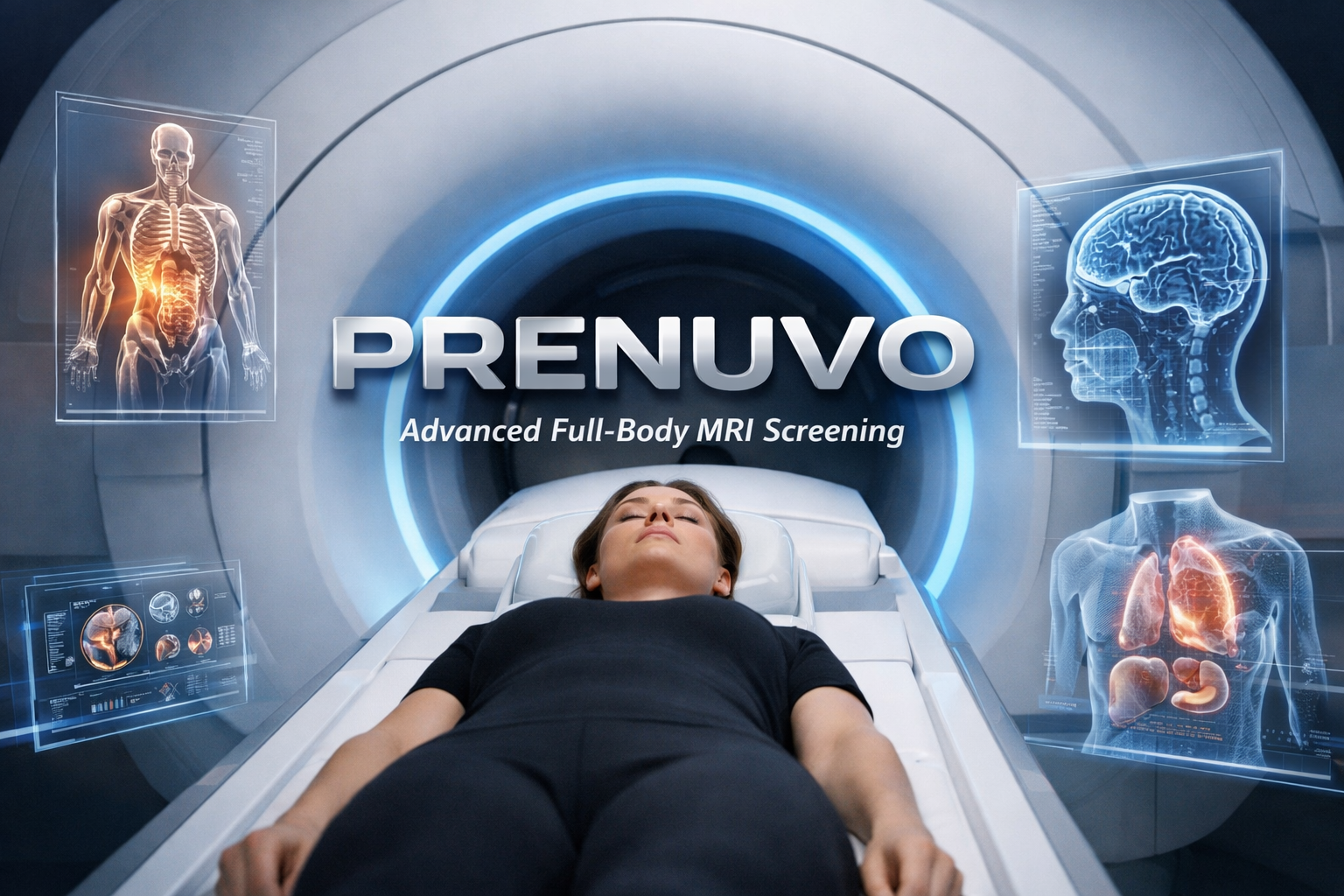
Prenuvo: A Practical Guide to the Prenuvo Scan, Cost, Results, and Real Limits
If you searched prenuvo, you probably want one simple thing: clarity. You want to know what a prenuvo scan is, what it checks, how the process feels, and what the report means once it lands in your inbox. This guide breaks it down in plain English. You’ll see where a scan can feel reassuring, where it can create extra steps, and how to think about follow-ups without panic. You’ll also get a clean, detailed table and a set of FAQs that answer the questions people ask the most in the United States.
1) What Prenuvo Is in Simple Words
Prenuvo is known for offering a screening-style MRI that looks across many parts of the body in one appointment. Think of it as a wide-angle view. Instead of scanning one knee or one shoulder, a prenuvo scan tries to capture a broad set of images so radiologists can look for suspicious findings, structural problems, and changes inside organs. Many people like that it uses MRI technology, since MRI does not use the same radiation style used by CT scans. That detail matters to people who worry about repeated radiation exposure. Still, it’s not magic. A screening protocol is built for coverage, not for perfect detail in every tiny corner.
The cleanest way to think about prenuvo is this: it’s a snapshot that can push you toward smart follow-up. Sometimes it points to “nothing to worry about.” Sometimes it points to “check this with a targeted test.” A good scan experience is not only about the images. It’s about what you do next with the report. If you walk in expecting a guarantee, you’ll be disappointed. If you walk in expecting information, you’ll likely feel more in control.
2) What the Prenuvo Scan Can Look For
People often describe a prenuvo scan as a way to look for hidden problems early. In one session, the images can reveal masses, organ changes, cysts, spine wear, disc issues, and other findings that don’t always cause symptoms right away. Some results are serious and deserve quick attention. Many results are boring and harmless, even if the wording in the report sounds intense. That’s why interpretation matters. A scan may also pick up patterns tied to lifestyle, like signs of fatty changes in the liver or structural issues in the back that line up with ongoing pain.
If you’re using prenuvo as part of a larger plan, the best outcome is a short, clear list of next steps. That might be a quick ultrasound for a cyst that needs a second look, or a targeted MRI sequence ordered by a clinician. It might also be a simple “no action needed.” A good report gives you direction without drama. Keep in mind that broad screening can show findings that would never harm you, but still cause worry if you treat every line as an emergency.
3) What a Prenuvo Scan Can Miss
It’s easy to assume a broad scan sees everything. Real life is messier. Small cancers can be hard to catch at the earliest stage, and some cancers do not stand out clearly on a screening MRI protocol. Some issues also need a specialized test. A colonoscopy, a mammogram, or a dedicated lung screening approach targets one problem with tools designed for that single job. A prenuvo scan is built for broad coverage, so it can miss tiny findings that a targeted method may detect sooner.
This is why people who use prenuvo in a smart way keep regular health screening in place. A clean report can feel great, but it should not become a reason to skip routine care. The scan is a layer, not the whole roof. If you keep that mindset, you’ll get more value from the experience and less confusion after. If you want maximum confidence, pair scan results with a clinician review, your blood work, your family history, and your symptom list.
4) Prenuvo Scan Cost: What People Pay in the United States
The phrase prenuvo scan cost comes up fast because the scan is usually paid out of pocket. Prices can vary by scan type, body coverage, and optional add-ons. People also compare value based on report detail and support after results. If you’re budgeting, think beyond the ticket price. A scan that leads to follow-up imaging can raise the total cost. That follow-up is not always bad. It can be the reason you find a true problem early. It can also be the reason you spend extra money checking something harmless.
A useful way to judge prenuvo pricing is to compare what you get: time in the scanner, body areas covered, how the report is explained, and what the support looks like if a finding needs attention. If you already know your biggest concern, a targeted diagnostic test ordered by a clinician may be cheaper and more direct. If your concern is broader, a prenuvo scan may feel worth it as a one-visit overview. The right call depends on your risk profile and how you handle uncertain findings.
5) Scan Types and What “Coverage” Really Means
Coverage is the quiet detail that changes the whole story. A “torso” style scan looks at a narrower region than a more complete whole-body option. People sometimes assume the smaller package is “almost the same.” It isn’t. If you’re choosing a scan type, match it to your goal. If your worry is in the abdomen, you may prefer a package that focuses more there. If your worry is “I don’t know what I should check,” broader coverage is the main appeal of prenuvo.
The other key point is image depth. A screening protocol can capture a wide sweep, yet a targeted scan can go deeper into one region with higher detail and special sequences. So the best plan is sometimes a two-step approach: use a prenuvo scan to spot a concern, then use a clinician-ordered test to confirm it. This approach keeps the screening scan from turning into a guessing game. It also helps you avoid chasing every minor note in the report.
6) Table: Prenuvo Scan Snapshot (Benefits, Limits, Follow-Up)
This table gives a clear, practical view of what people experience with prenuvo. It’s written to be easy to scan, easy to compare, and easy to share with a clinician if you want a second opinion on what the scan can do for you.
| Topic | What You Get | What to Watch For |
|---|---|---|
| Purpose | Broad MRI screening across multiple areas | Not a replacement for routine screenings |
| What it may find | Masses, cysts, organ changes, spine issues | Some findings are harmless but sound scary |
| What it may miss | Very small or subtle early-stage issues | Targeted tests may be needed for certainty |
| Follow-up | Clear next steps when a finding needs a second look | Extra tests can add cost and stress |
| Best mindset | Info first, calm decisions, planned follow-up | Panic turns minor items into a nightmare |
7) What Scan Day Feels Like
The actual scan experience is usually calm but repetitive. You lie still while the machine makes loud knocking sounds. Stillness matters because movement can blur images and create confusing artifacts that look like a problem. Many people are surprised by the mental side more than the physical side. When you choose prenuvo, the scan can feel high-stakes, even if you feel healthy. That tension is normal. The easiest way to handle it is to treat the scan as a tool, not a verdict.
A simple plan helps. Wear comfortable clothing that fits MRI safety rules. Expect a short setup and questions about metal, implants, and devices. If you get claustrophobic, plan a coping method before you arrive. Some people use breathing rhythm and focus techniques. Others talk to a clinician about a mild calming option ahead of time. A prenuvo scan works best when you’re relaxed enough to stay still and breathe smoothly through the short holds that may be required.
8) Understanding Your Results Without Freaking Out
Reports often land in three buckets: normal findings, minor findings that need no action, and findings that need a second look. The last bucket is where stress spikes. A “follow-up recommended” line does not mean you have a life-changing disease. It often means “this area is unclear enough that a targeted test would answer it better.” This is where prenuvo can shine, since it may point you toward a precise next step rather than leaving you guessing.
The best move after a prenuvo scan is to review the report with a clinician who knows your history. That clinician can combine the scan notes with symptoms, family history, labs, and your age. This keeps you from reacting to scary-sounding medical words without context. If you don’t have a primary care clinician, plan that connection first. Otherwise, you can end up with a report and nowhere to aim it. A clear next step is what turns imaging into real value.
9) The “Incidental Finding” Problem
The wider the scan, the higher the chance you find something unexpected. That’s the trade: more coverage can reveal more information, yet it also reveals more harmless quirks. Many adults have small cysts, benign nodules, mild spine changes, or tiny structural differences that will never cause harm. A prenuvo scan can spot these things. The challenge is not the discovery. The challenge is what your brain does next. If you treat every incidental note as danger, you can spiral into stress and repeated testing.
A healthier approach is to treat incidental findings like a map pin, not a siren. Ask a clinician: “Is this common?” “Does this match my symptoms?” “What is the simplest test that confirms it?” That calm process keeps prenuvo from turning into an endless loop. It also protects your wallet and your time. When the follow-up is truly needed, you’ll still do it. You’re just cutting out fear-driven steps that don’t help.
10) When Prenuvo Makes More Sense
Prenuvo can feel more appealing for people who carry a higher sense of risk. That can mean strong family history patterns, a long period of unexplained symptoms, or personal anxiety after a close friend’s diagnosis. The key is motivation. If you want a broad overview so you can make smarter choices with your clinician, a prenuvo scan may feel like a practical step. If you want a promise that nothing is wrong, you may end up disappointed or even more anxious.
The scan can also make sense for people who can handle follow-up smoothly. If a report suggests a second look, you need time and resources to do it. The scan is not a finish line. It’s a decision point. If your life is too hectic to schedule follow-ups, or you already avoid doctors, you may not get much value. Prenuvo works best for planners who want clarity and act on it calmly.
11) When Prenuvo Might Not Be the Best Move
Broad screening is not for everyone. If you’re the type who spirals on uncertain results, the scan can increase stress rather than reduce it. That’s not a character flaw. It’s just how some minds handle risk. Another issue is opportunity cost. If you have a fixed budget, money spent on a prenuvo scan could mean skipping other high-value care like dental work, blood pressure monitoring, diabetes screening, or routine cancer screening recommended by your clinician. Those basics often do more for long-term health than a one-time full-body snapshot.
It also might not fit if you already have a specific symptom that needs a targeted scan. A sharp, symptom-driven test ordered by a clinician can be faster and more accurate for that single problem. In that case, prenuvo may add noise rather than clarity. A good rule is simple: if you can clearly describe your symptom and where it is, start with targeted care. If your concern is broader and you want a general check, a prenuvo scan may feel more aligned.
12) How to Prepare So the Scan Delivers Cleaner Images
Preparation is not complicated, yet it changes image quality more than people expect. Start with the basics: be well-rested, arrive early, and follow the center’s instructions about eating and drinking. The goal is to reduce motion and discomfort. When you’re uncomfortable, you move. When you move, images blur. A prenuvo scan is only as good as the images that come out of the machine. That’s why calm matters. Avoid heavy caffeine right before the scan if it makes you jittery.
Also think about metal and device safety. Remove jewelry, watches, and anything with metal threads. Be honest about implants, clips, or past injuries where metal could be present. These details are not just paperwork. They protect you and protect the scan accuracy. If you’re nervous, practice a simple breathing rhythm at home. Inhale for four seconds, exhale for six. This helps you stay steady during a prenuvo scan, which supports cleaner images and fewer confusing artifacts.
13) A Real-World Mindset That Keeps You Calm After Results
Here’s a mindset that helps: treat your report like a checklist, not a diagnosis. If the report is normal, great. Keep your routine screenings and move on. If the report lists minor findings, ask one simple question: “Is this common, and do I need to do anything now?” Most of the time, the answer is “no action.” If the report suggests follow-up, ask for the simplest next step that confirms it. This approach keeps prenuvo useful rather than stressful.
A second mindset tip is to avoid “internet rabbit holes.” People read one medical phrase and assume the worst. That habit can ruin the benefit of a prenuvo scan. Instead, bring the report to a clinician who can interpret it properly. If you want to be extra organized, write a short note: your main goal, your top fears, your symptoms, and your family history. A clinician can then tie your report into a real plan, not just a list of findings.
14) Practical Tips to Get More Value From Prenuvo
You can increase the value of prenuvo by planning the follow-up path before you scan. Decide who will read the report with you. Decide how you’ll handle a follow-up recommendation. This one move prevents delay and stress. It also helps you avoid running between random clinics without a clear plan. If you already track basic health numbers like blood pressure, lipids, glucose, and body weight, keep tracking them. A scan is a snapshot. Daily habits create the long story.
Another tip: keep a timeline. If you do a prenuvo scan this year, don’t make it a yearly ritual without reason. It’s easy to fall into repeated scanning when you get comfort from results. Your clinician can help you decide a sensible schedule based on risk, symptoms, and family history. A smart health plan is not “more tests.” It’s “right test, right time, right reason.” When you keep that rule, prenuvo becomes a tool that supports your life instead of controlling it.
FAQs About Prenuvo
These answers are written in plain language so you can share them with family, friends, or a clinician. Each answer is built to reduce confusion and keep your decisions calm and practical.
1) What is a Prenuvo scan, really?
2) How much is the Prenuvo scan cost in the USA?
3) Does Prenuvo replace regular health screenings?
4) Why do some people feel anxious after a Prenuvo scan?
5) What should I do if the report says “follow-up recommended”?
6) Who tends to benefit most from Prenuvo?
Final Thoughts
If you’re considering prenuvo, the most useful thing you can do is choose a calm, practical plan. A prenuvo scan can bring clarity, yet it can also reveal harmless details that push you toward extra testing if you react with fear. The scan works best when you know your goal, keep routine health care in place, and review results with a clinician who understands your history. If your report is clean, enjoy the reassurance and keep living well. If your report suggests follow-up, treat it as a map pin, not a crisis. That balanced approach is what turns prenuvo from hype into a useful step.
Your body is a long story, not a single image. Use the scan as a snapshot, then build the rest of your health plan through habits, routine care, and smart follow-up. If you want maximum value, write down your family history, your symptoms, and your biggest worries, then walk through the report with a clinician. That one move can save time, reduce stress, and keep your decisions grounded. When you treat prenuvo as a tool for smart next steps, it can feel like a premium service that earns its place.