Hepatitis B Symptoms: Spot the Warning Signs Before Permanent Liver Damage Sets In
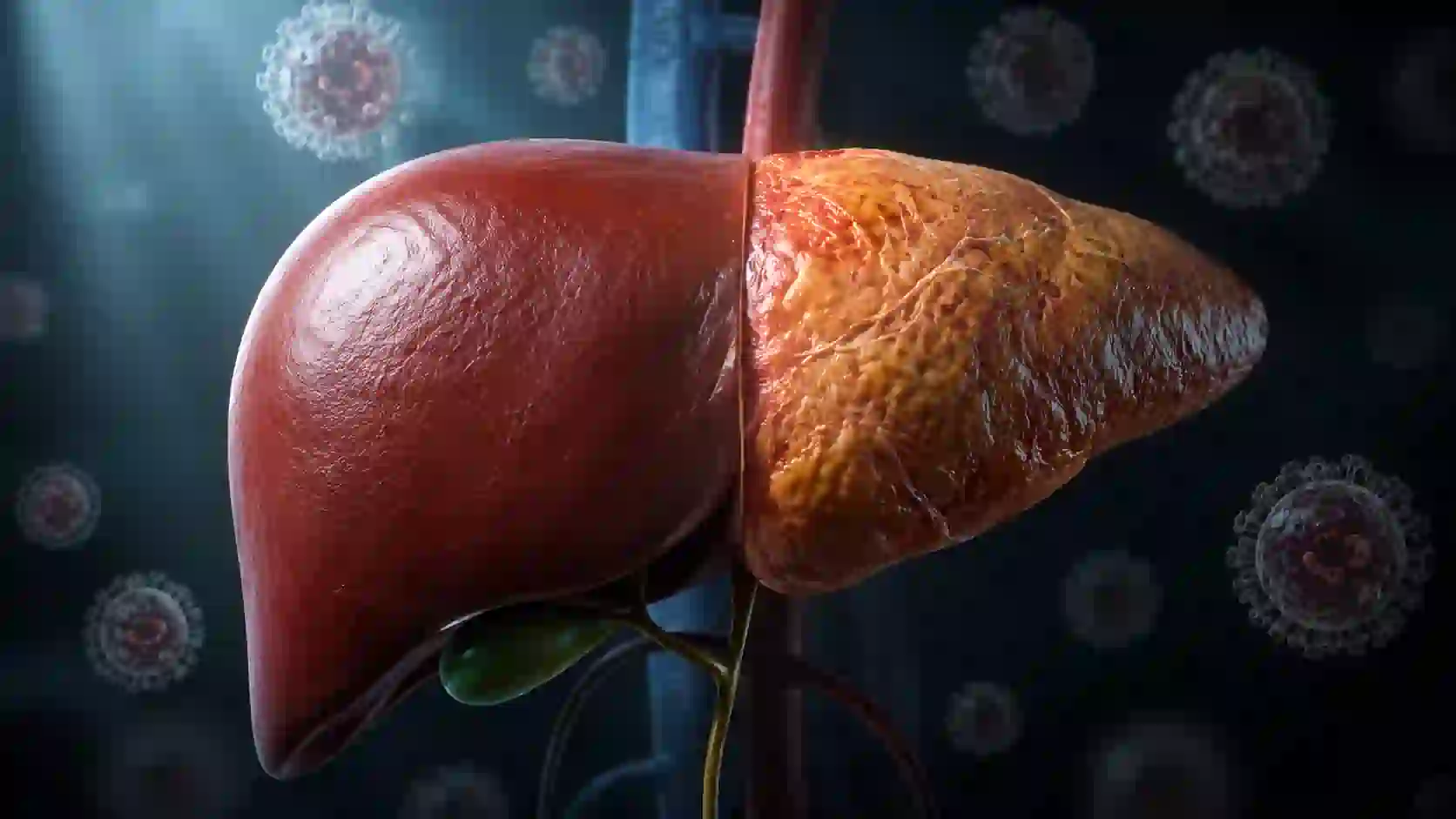
Noticing unusual fatigue, stomach pain, or yellowish eyes can feel alarming. Your mind races through possibilities. You search for answers that make sense. This guide gives you a clear, medically sound breakdown of hepatitis b symptoms. You will learn exactly what this virus does inside your body.
You will understand the difference between a new infection and one that has lived silently for decades. Most importantly, you will discover the tests and vaccines that protect you and your family. The liver performs over 500 vital functions. You cannot live without it. Learning these warning signs represents the single most important step you can take right now.
What Is Hepatitis B and Why Should You Care?
Hepatitis B is a serious liver infection caused by the hepatitis B virus (HBV). The word “hepatitis” simply means inflammation of the liver. When HBV enters your bloodstream, it travels straight to your liver cells.
It hijacks those cells and forces them to make more copies of the virus. This process triggers your immune system to attack.Swelling, cell death, and eventually profound scarring known as cirrhosis are the results of that attack.
Not everyone clears the virus naturally. The Centers for Disease Control and Prevention estimates that around 296 million people worldwide live with chronic hepatitis B. Many feel completely fine for decades. The damage builds silently. Understanding hepatitis b symptoms early can literally mean the difference between full recovery and a liver transplant.
Doctors classify the infection into two main stages. Acute hepatitis B occurs within the first six months after exposure. Chronic hepatitis B continues beyond six months. Each stage shows different signs, and some people show none at all.
How Do You Get Hepatitis B? The Transmission Routes You Must Know
Knowing how do you get hepatitis b helps you assess your own risk. This virus spreads through contact with infected blood, semen, or other body fluids. A tiny amount, invisible to the naked eye, carries enough virus to cause infection.
Here are the main routes of transmission:
- Birth from an infected mother to her baby during delivery
- Unprotected sexual contact with an infected partner
- Sharing needles, syringes, or drug preparation equipment
- Accidental needlesticks in healthcare settings
- Sharing personal items like razors or toothbrushes that may have traces of blood
- Direct contact with open wounds or sores of an infected person
You cannot catch hepatitis B from casual contact. Hugging, sharing food, coughing, sneezing, or using the same swimming pool does not spread this virus. This fact surprises many people worried about is hepatitis b contagious. The answer is yes, it is highly contagious through blood and sexual fluids, but not through everyday interactions.
A very common question spouses ask is, “My husband has hepatitis b can i get it?” You can get it if you have unprotected sex or share items that might carry blood. The vaccine offers complete protection. If you test negative for immunity, get vaccinated immediately and use barrier protection until you complete the full series.
Hepatitis B Symptoms: The Complete Timeline of Warning Signs
Recognizing hepatitis b symptoms requires understanding the timeline. Not everyone experiences the same signs. Many children under five and some adults show no symptoms at all during the acute phase. When symptoms do appear, they usually arrive between one and four months after exposure.
Early Phase Acute Hepatitis B Symptoms
The first signs often mimic a mild flu. You might dismiss them as stress or a bad cold. This is precisely why so many cases go undiagnosed early. Watch for these initial indicators:
- Deep, unrelenting fatigue that rest does not fix
- Loss of appetite and sudden weight loss
- Nausea and occasional vomiting
- Mild fever and general body aches
- Discomfort or aching pain in the upper right side of your belly, where your liver sits
Progressive Acute Hepatitis B Symptoms
As the infection establishes itself, the liver struggles more. Bilirubin, a yellow waste product normally processed by the liver, starts building up in your blood. This causes the classic signs many people associate with hepatitis symptoms.
- Jaundice, yellowing of the skin and the whites of the eyes
- Dark urine, described often as tea-colored or cola-colored
- Clay-colored or pale, chalky-looking stools
- Intense itching all over the body, caused by bile salts depositing under the skin
- Significant abdominal swelling and sharp pain
Acute vs Chronic Hepatitis B Symptoms Comparison Table
This table clearly separates acute from chronic signs, helping you understand where you or a loved one might fall.
| Feature | Acute Hepatitis B | Chronic Hepatitis B |
| Onset | Sudden, within 1-4 months after exposure | Gradual, often completely silent for 20-30 years |
| Fatigue Level | Severe but may resolve | Persistent low-grade exhaustion |
| Jaundice | Common in adults | Rare until advanced liver disease develops |
| Appetite | Markedly reduced | Slow, subtle decline |
| Liver Enzyme Levels | Very high, then normalize | Mildly elevated, fluctuate over years |
| Likelihood in Adults | Most adults clear the virus | Only about 5-10% develop chronic infection |
| Long-term Outcome | Usually full recovery | Risk of cirrhosis and liver cancer |
What Happens When Chronic Hepatitis B Goes Untreated
Leaving chronic hepatitis B unmonitored invites disaster. The virus continuously attacks liver cells. Your body tries to heal by forming scar tissue. This is fibrosis. Over decades, fibrosis progresses to cirrhosis, a condition where hard scar tissue replaces soft, healthy liver tissue.
A cirrhotic liver cannot filter toxins, produce proteins, or manage blood clotting. Fluid accumulates in the abdomen, a painful condition called ascites. Blood pressure rises in the veins around the esophagus, creating fragile vessels that can rupture and bleed.
Confusion sets in as toxins reach the brain, a state known as hepatic encephalopathy. Finally, hepatocellular carcinoma, the most common type of liver cancer, frequently develops in chronically infected livers.
Who Faces the Highest Risk? Testing and Prevention That Saves Lives
Certain groups carry a significantly higher chance of contracting hepatitis B. The CDC strongly recommends testing for anyone in these categories:
- People born in regions where hepatitis B is common, including Asia, Africa, the Pacific Islands, and parts of Eastern Europe
- Anyone born to a mother infected with hepatitis B
- People who inject drugs or have ever injected drugs
- Men who have sexual contact with men
- Individuals living with HIV or hepatitis C
- Household and sexual contacts of someone known to have hepatitis B
- Patients receiving dialysis for kidney failure
- Pregnant women during each pregnancy
Testing changes everything. A simple blood panel reveals your status clearly.
Understanding Your Hepatitis B Blood Test Results
Walking into a lab and getting results back can feel overwhelming. Three main blood markers matter most for hepatitis b symptoms diagnosis and staging.
Hepatitis B Surface Antigen (HBsAg): This protein appears on the surface of the virus. A positive HBsAg means you currently have an active hepatitis B infection. If this antigen remains positive beyond six months, doctors diagnose chronic hepatitis B.
Hepatitis B Surface Antibody (anti-HBs): This antibody signals recovery and immunity. A positive result here means your body successfully fought off the virus, or you received the vaccine and developed protection. Many lab reports show “hepatitis b surface antibody ql reactive.” That word “reactive” is good news. It means your immune system has shields ready to block the virus.
Hepatitis B Core Antibody (anti-HBc): This antibody appears only in people who encountered the actual virus. It does not rise after vaccination. A positive anti-HBc combined with negative HBsAg and positive anti-HBs means you had a past infection that your body cleared.
| Blood Test Marker | Positive Result Meaning | Action Needed |
| HBsAg | Active infection present | Immediate referral to liver specialist |
| Anti-HBs (Hepatitis B Surface Antibody) | Immunity from vaccine or past infection | No further action, you are protected |
| Anti-HBc Total | Past or ongoing exposure to real virus | Correlate with other markers |
| HBV DNA (Viral Load) | Amount of virus actively circulating | Determines treatment urgency |
Hepatitis B vs Hepatitis A vs Hepatitis C: Key Differences That Matter
People often wonder, what is hepatitis a, what is hepatitis b, and what is hepatitis c? All three viruses attack the liver, but their transmission and outcomes differ completely.
Hepatitis A spreads through contaminated food and water. It causes an acute illness that resolves completely. A safe and effective hepatitis a vaccine prevents it. Hepatitis A never becomes chronic. Once you recover, you have lifelong immunity.
Hepatitis C spreads primarily through blood-to-blood contact. Hepatitis c symptoms often stay hidden for decades, much like hepatitis B. The critical difference is that is hepatitis c curable has a resounding answer.
Yes, direct-acting antiviral pills cure over 95% of hepatitis C cases in just 8-12 weeks. Unfortunately, is hepatitis b curable has a more complex answer. Current medications suppress the virus very effectively but rarely eliminate it completely. Researchers continue working toward a functional cure.
Alcoholic hepatitis deserves mention because it confuses people. This condition arises from heavy, prolonged alcohol use, not a virus. It causes severe liver inflammation and can be fatal. Complete alcohol abstinence and vigorous nutritional support are necessary for treatment.
Autoimmune hepatitis represents another distinct entity. Here, your own immune system mistakenly attacks liver cells. Doctors treat it with steroids and other immunosuppressive medications. It is not contagious and has nothing to do with viruses.
Hepatitis B Vaccine: Your Shield Against Liver Destruction
Asking is there a vaccine for hepatitis b leads to one of the most triumphant stories in modern medicine. Yes, a highly effective, safe vaccine exists and has dramatically reduced new infections worldwide.
The hepatitis b vaccine schedule for adults recommended by the CDC consists of three doses:
- First dose at your chosen start date
- Second dose one month after the first
- Third dose six months after the first
A newer two-dose adult vaccine using a higher antigen concentration is also available. Your doctor can help you choose.
Infants receive the first dose within 24 hours of birth. This practice, endorsed by the World Health Organization, prevents mother-to-child transmission, which carries a 90% risk of becoming chronic without vaccination.
Healthcare workers, travelers to high-risk regions, and anyone in the risk groups listed earlier absolutely should verify their immunity. A simple blood test for hepatitis b surface antibody tells you if you remain protected. If your antibody level falls below the protective threshold, a booster dose restores your immunity.
Living With Hepatitis B: Daily Habits That Protect Your Liver
Receiving a diagnosis of chronic hepatitis B feels frightening. But you hold significant power over your liver health through daily choices.
Avoid alcohol completely. Alcohol and hepatitis B work together to accelerate liver scarring. Even small amounts cause measurable damage.
Maintain a healthy weight. Fatty liver disease combined with hepatitis B drastically increases cirrhosis and cancer risk. A balanced diet rich in vegetables, lean proteins, and whole grains supports liver cell repair.
Get monitored regularly. Liver specialists perform ultrasound scans and blood tests every six to twelve months. These surveillance tests catch liver cancer early, when treatment works best.
Inform your sexual partners and household members. Give them the chance to test and get vaccinated. This simple act of honesty protects everyone you love.
Avoid certain medications that stress the liver. Acetaminophen doses must stay low. Herbal supplements deserve scrutiny, as some directly harm liver cells.
Frequently Asked Questions About Hepatitis B Symptoms
What is usually the very first sign of a hepatitis B infection?
Extreme, unexplained fatigue and a sudden loss of interest in food appear most often. These signs arrive well before jaundice. Many people describe feeling too exhausted to perform basic daily tasks.
Can you have hepatitis B without showing any symptoms at all?
Absolutely. Chronic carriers especially feel healthy for decades. The only way to know your status is a blood test for HBsAg.
How long after exposure do hepatitis B symptoms start?
The incubation period ranges from 60 to 150 days. Most people who develop symptoms notice them around 90 days after the virus entered their body.
Is jaundice always present with hepatitis B symptoms?
No. Adults experience jaundice about 30-50% of the time during acute infection. Children under five almost never turn yellow.
Can the symptoms of hepatitis B go away on their own?
Yes. In adults, the immune system clears acute hepatitis b symptoms and the virus itself in roughly 90-95% of cases. This leaves behind protective surface antibodies.
What should I do immediately if I recognize these symptoms?
See a doctor right away. Request a hepatitis panel blood test that includes HBsAg, anti-HBs, and anti-HBc. Meanwhile, avoid alcohol and acetaminophen completely.
Taking Action Starts With a Simple Blood Test
Your liver works silently every minute of every day. It filters your blood, stores energy, and removes toxins. Recognizing hepatitis b symptoms gives you the power to intervene before irreversible damage occurs. The information you now hold clears away confusion. You understand transmission routes, the testing process, and the life-saving protection of the vaccine.
Schedule a blood test this week if you fall into any risk category or simply feel unexplained fatigue. Ask your partner to test alongside you. Protect your children through vaccination. Today, give this guide to someone you care about. Knowledge about this virus, combined with swift action, has saved millions of lives. Let it protect yours too.