Manga Gastrica: Risks, Costs, Recovery, and Everything You Must Know Before Surgery
You stand in front of the mirror, exhausted from another failed diet, joints hurting, confidence shattered. Your doctor mentioned “manga gastrica” at your last visit, and the term stuck in your head. Is this the answer, or just another disappointment dressed up in medical language?
You deserve straight answers, not sales pitches. This guide delivers exactly that — every critical fact about manga gastrica surgery, stripped of fluff and grounded in real medical data.
What Is Manga Gastrica? A Direct Definition
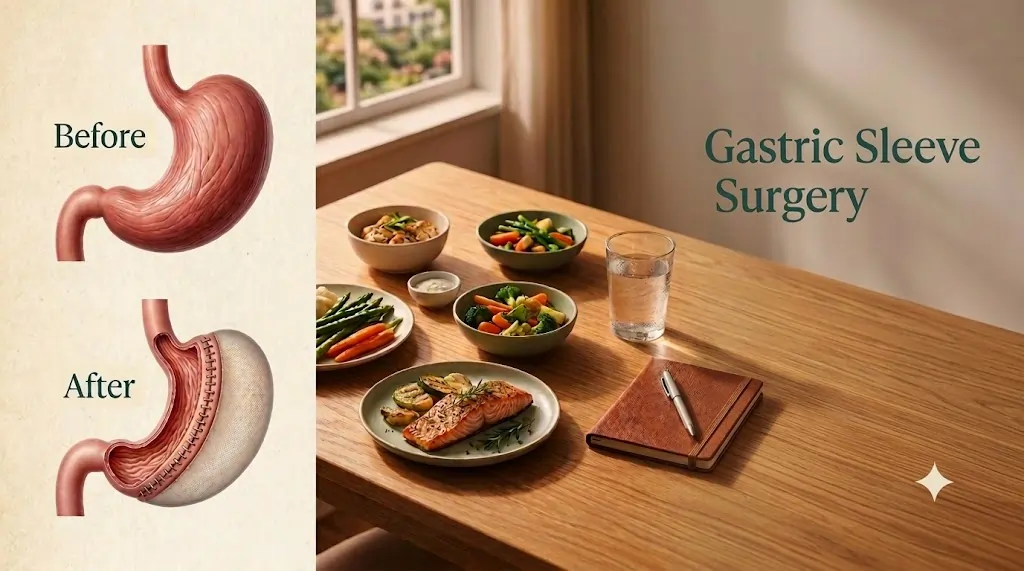
Manga gastrica means gastric sleeve surgery — a permanent bariatric procedure where a surgeon removes roughly 75 to 80 percent of your stomach. What remains is a narrow tube, shaped like a banana, that holds about 2 to 4 ounces of food initially.
The removed portion produces most of your body’s ghrelin, the hunger hormone. Less stomach, far less ghrelin. Your appetite drops dramatically within days.
The International Federation for the Surgery of Obesity and Metabolic Disorders reports that manga gastrica now represents over 58 percent of all bariatric surgeries performed globally. Patients lose between 50 and 70 percent of excess body weight within 12 to 18 months.
Dr. Philip Schauer of the Cleveland Clinic Bariatric and Metabolic Institute explains it clearly: “The gastric sleeve changes the body’s hormonal signaling fundamentally. It does more than restrict food — it resets the entire weight regulation system.”
How Manga Gastrica Works Step by Step
You check into the hospital early. An IV line goes into your arm. Anesthesia takes over, and the surgical team begins.
The surgeon makes four to five small cuts in your abdomen, each roughly the size of a dime. A tiny camera called a laparoscope slides through one opening, giving the surgical team a clear view on a monitor. Carbon dioxide gas inflates your belly, creating space to work safely.
A surgical stapler separates your stomach vertically, separating the outer 75 to 80 percent from the inside curvature. The detached portion gets pulled out through one of the small incisions. What stays behind is a narrow gastric sleeve — roughly the size and shape of a small banana.
Total operating time: 60 to 90 minutes. The removed stomach tissue never grows back. Your new stomach holds 2 to 4 ounces at first, eventually stretching to hold 4 to 6 ounces over the first year.
Manga Gastrica vs. Other Weight Loss Surgeries: Quick Comparison
| Feature | Manga Gastrica | Gastric Bypass | Gastric Band |
| What happens | 75-80% stomach removed | Small pouch made, intestine rerouted | Adjustable band placed |
| Surgery duration | 60-90 minutes | 90-120 minutes | 30-45 minutes |
| Hospital stay | 1-2 days | 2-3 days | Often outpatient |
| Average excess weight loss | 50-70% | 60-80% | 40-50% |
| Affects hunger hormones | Yes, ghrelin drops sharply | Yes, multiple hormones shift | No hormonal change |
| Vitamin deficiency risk | Moderate | High | Low |
| Can it be undone | No, permanent | No, permanent | Yes, removable |
| Dumping syndrome risk | Rare | Common | None |
| 5-year revision rate | 5-8% | 3-5% | 20-30% |
Manga gastrica offers a strong middle ground — more effective than the band with fewer long-term complications than bypass. That explains why surgeons perform it more than any other bariatric procedure worldwide.
Who Actually Qualifies for Manga Gastrica?
Surgeons follow strict guidelines from the American Society for Metabolic and Bariatric Surgery:
- Body mass index of 40 or higher
- BMI of 35 to 39.9 plus at least one obesity-related disease — type 2 diabetes, sleep apnea, severe hypertension, disabling joint pain
- BMI of 30 to 34.9 with uncontrolled type 2 diabetes or metabolic syndrome, per updated 2022 ASMBS guidelines
Medical clearance requires multiple evaluations:
- Cardiac testing — EKG at minimum, stress test if indicated
- Sleep apnea screening — untreated apnea raises surgical risk sharply
- Psychological evaluation — checking for untreated eating disorders, realistic expectations
- Nutritional counseling — learning the post-op diet before surgery day
- Full blood panel — thyroid function, iron levels, vitamin D, liver enzymes
- Upper endoscopy — ruling out H. pylori infection, hiatal hernia, ulcers
Insurance companies typically demand three to six months of documented, medically supervised weight loss attempts before approving manga gastrica. Self-pay costs in the United States run $12,000 to $20,000. Medical tourism destinations like Mexico offer the procedure for $4,000 to $7,000.
The Pre-Op Diet: Why It Matters More Than You Think
Your liver sits directly on top of your stomach. A fatty, enlarged liver blocks the surgeon’s access and increases bleeding risk significantly. The pre-op diet shrinks that liver, making manga gastrica safer and technically easier.
A standard two-week pre-op diet includes:
- Days 1 to 2: Small portions, zero processed food, protein focused
- Days 3 to 14: 800 to 1,000 calories daily, mostly protein shakes and clear liquids
- Final 24 hours: Clear liquids only, nothing solid
Allowed items include protein shakes with 30 grams or more protein and under 5 grams sugar, sugar-free gelatin, clear broths, sugar-free popsicles, and plenty of water.
Strictly forbidden items include all carbonated beverages, caffeine in any form, sugar and honey, solid food in the final 24 hours, and alcohol entirely.
Losing 5 to 10 percent of body weight before surgery correlates directly with shorter hospital stays and fewer complications, according to a 2023 Obesity Surgery journal study.
Manga Gastrica Recovery Timeline Week by Week
Week 1: Immediate Post-Op
You leave the hospital with bandaged incisions and a pain medication prescription. Walking begins within hours — it prevents dangerous blood clots. Clear liquids only. Tiny sips, never gulps. Gas pain often radiates to the left shoulder because the carbon dioxide used during surgery irritates the phrenic nerve. Heat packs and walking provide relief.
Weeks 2 to 3: Full Liquid Phase
Thin protein shakes, strained cream soups, and sugar-free pudding thinned with milk become your diet. Your new full-time job is consuming 60 to 80 grams of protein daily. Exhaustion hits hard because your body burns stored fat rapidly while healing demands enormous energy.
Weeks 4 to 5: Pureed Foods
Scrambled eggs, Greek yogurt, blended chicken with broth, cottage cheese, and refried beans enter the rotation. Every bite gets chewed to liquid consistency.Sharp chest tightness and sometimes vomiting are caused by one forkful too many.
Weeks 6 to 8: Soft Foods
Ground turkey, flaky white fish, soft fruits without skin, and well-cooked vegetables arrive. Eating mindfully becomes essential — 20 to 30 minutes per meal, no drinking for 30 minutes before or after.
Months 3 to 12: Regular Diet Returns
Solid food comes back, but portions stay tiny permanently. A full meal fits on a salad plate. Protein goes in first, then vegetables, starches last if any room remains. Carbonated drinks, tough meats, doughy breads, and fibrous raw vegetables may never feel comfortable again.
Life After Manga Gastrica: Rules That Determine Your Success
The 30-minute rule stands as non-negotiable. No liquids 30 minutes before eating, during meals, or for 30 minutes after. Drinking flushes food through the sleeve too fast, spikes hunger, and blocks nutrient absorption.
Protein must come first at every meal. Your sleeve holds 4 to 6 ounces of food long-term. Fill that space with pasta or rice, and zero room remains for the protein your muscles and metabolism demand. Target 70 to 90 grams daily.
Dumping syndrome, though less common with manga gastrica than bypass, still strikes some patients who consume concentrated sugar. Your small stomach dumps undigested sugar into the small intestine too rapidly, causing nausea, racing heartbeat, sweating, and diarrhea.
Hair loss peaks at months three to six post-op. Telogen effluvium — temporary shedding triggered by the physical stress of rapid weight loss — affects most patients. Biotin, zinc, iron, and adequate protein minimize it. Hair returns in almost all cases.
Transfer addiction represents a real danger. Alcohol hits the bloodstream faster and harder after surgery. Some sleeve patients develop new problems with drinking, gambling, or shopping because food no longer numbs emotions. Having a therapist before surgery prevents disaster.
Manga Gastrica Cost Comparison by Country
| Country | Price Range (USD) | What You Get |
| United States | $12,000-$20,000 | Hospital, surgeon, anesthesia, 1-year follow-up |
| Mexico | $4,500-$6,500 | Hospital, surgeon, hotel, transport, 1-night hospital |
| Costa Rica | $6,000-$8,000 | Hospital, surgeon, recovery facility, meals |
| Turkey | $3,500-$5,000 | Hospital, surgeon, translator, hotel, transfers |
| Colombia | $4,000-$5,500 | Hospital, surgeon, hotel, 2-night hospital |
| India | $3,000-$4,500 | Hospital, surgeon, extended recovery stay |
The International Bariatric Club advises checking surgeon credentials through IFSO membership, verifying Joint Commission International accreditation for the facility, and speaking with at least three past patients before booking any medical tourism package.
Manga Gastrica Success Rates and Long-Term Results
The American Society for Metabolic and Bariatric Surgery defines success as losing and maintaining 50 percent or more excess weight at five years.According to this criterion, 70–80% of patients experience success with manga gastrica.
A 2023 JAMA Surgery research that followed 1,200 sleeve patients after ten years discovered:
- Year 1 excess weight loss: 65 percent average
- Year 5 excess weight loss: 55 percent average
- Year 10 excess weight loss: 50 percent average
- Diabetes remission at year 5: 65 percent
- Hypertension improvement: 70 percent
- Sleep apnea resolution: 80 percent
Weight regain of 10 to 20 percent affects roughly 25 to 30 percent of patients between years three and seven. This typically traces to grazing behavior, slider foods that go down too easily, and abandoning the protein-first rule. The sleeve itself continues functioning — hunger hormone suppression persists. Habits, not anatomy, drive regain.
Essential Supplements After Manga Gastrica
Your smaller stomach absorbs fewer nutrients from food. Lifelong supplementation becomes mandatory.
| Supplement | Daily Dose | Reason | What Happens Without It |
| Bariatric multivitamin | 2 tablets | Reduced food intake | Fatigue, anemia, frequent illness |
| Vitamin B12 | 500-1000 mcg sublingual | Less stomach acid | Permanent nerve damage, memory loss |
| Iron | 45-60 mg | Decreased absorption | Severe anemia, hair loss, brittle nails |
| Calcium citrate | 1200-1500 mg split doses | Carbonate form fails without acid | Osteoporosis, fractures |
| Vitamin D3 | 3000-5000 IU | Calcium absorption support | Bone pain, depression |
| Biotin | 5000-10000 mcg | Hair and nail strength | Accelerated post-surgery hair loss |
Brands like Bariatric Advantage, Celebrate Vitamins, and ProCare Health formulate specifically for sleeve patients. Standard drugstore vitamins rarely provide adequate doses or bioavailable forms.
Exercise Guidelines After Manga Gastrica
Weeks one and two involve walking only. Start with five minutes, build to 30. Walking prevents blood clots, eases gas pain, and locks in a daily movement habit.
Weeks three through five continue walking plus light stretching. No core exercises, no lifting anything over 10 pounds. Internal incisions remain fragile.
Weeks six through eight typically bring clearance for swimming, stationary cycling, and light resistance training. Start strength work now — preserving muscle during rapid weight loss matters enormously.
Months three through twelve allow full exercise clearance. Combine resistance training three times weekly with 150 minutes of cardio. Muscle preservation tightens loose skin somewhat, though genetics, age, and total weight lost determine most skin elasticity outcomes.
Manga Gastrica Complications and Prevention
Staple line leak occurs in 1 to 2 percent of cases, almost always within 72 hours. Warning signs include fever above 101 degrees Fahrenheit, racing heartbeat, and left shoulder tip pain. This requires emergency intervention. Surgeons test the staple line with blue dye during the procedure to catch leaks before closing.
Stricture — scar tissue narrowing the sleeve — develops in 2 to 3 percent of patients. Swallowing becomes difficult. Endoscopic dilation treats it effectively without additional surgery.
GERD or acid reflux affects 15 to 30 percent of sleeve patients. The high-pressure sleeve design can worsen pre-existing reflux. Daily proton pump inhibitor medication manages most cases. Severe, persistent reflux may eventually require revision to gastric bypass.
Gallstones form in up to 30 percent of patients during rapid weight loss. Surgeons often prescribe ursodiol for the first six months post-op to prevent this. Gallbladder removal surgery remains straightforward if stones develop despite prevention.
Dehydration ranks as the most common preventable complication. Your small stomach makes drinking large volumes impossible. Sip water constantly throughout the day. Check urine color — pale yellow signals adequate hydration, dark means drink more immediately.
Pregnancy After Manga Gastrica
Pregnancy after manga gastrica is safe with proper planning. Most surgeons recommend waiting 18 to 24 months post-surgery before conceiving, placing pregnancy firmly in the weight-stable period rather than during rapid loss.
Critical pregnancy precautions include evaluating nutritional labs before conception and each trimester, using a bariatric-formulated prenatal vitamin with larger doses than regular prenatals, and monitoring B12, iron, and folate extra carefully. The standard oral glucose tolerance test often fails for sleeve patients because the concentrated sugar drink triggers dumping — blood glucose monitoring provides an alternative. Weight gain of 15 to 25 pounds during pregnancy remains normal and healthy.
A 2022 Obstetrics and Gynecology study found sleeve patients had significantly lower rates of gestational diabetes and preeclampsia compared to matched obese controls who had not undergone surgery.
FAQs About Manga Gastrica
What exactly is manga gastrica?
Manga gastrica is the Spanish term for gastric sleeve surgery. A bariatric surgeon removes 75 to 80 percent of the stomach, leaving a narrow tube that limits food intake and reduces hunger hormone production.
How much weight will I lose after manga gastrica?
Most patients lose 50 to 70 percent of excess body weight within 12 to 18 months. Someone carrying 100 extra pounds can expect to lose 50 to 70 pounds.
Is manga gastrica reversible?
No. Manga gastrica permanently removes a large portion of stomach tissue. That tissue never regenerates. Revision to a different procedure like gastric bypass remains possible if medically necessary.
What foods can I never eat after manga gastrica?
Most foods become tolerable in small amounts after full recovery. Carbonated beverages cause severe discomfort for many patients permanently. Tough meats, doughy breads, and fibrous raw vegetables often cause problems. Tolerance varies individually.
Does manga gastrica require lifelong supplements?
Yes, absolutely. Your reduced food intake and altered digestive function make getting adequate nutrition from food alone impossible. Bariatric multivitamins, calcium citrate, B12, iron, and vitamin D become permanent daily requirements.
Can I get manga gastrica if I have diabetes?
Yes, and the procedure often dramatically improves or resolves type 2 diabetes. Studies show 65 to 70 percent of patients achieve diabetes remission within the first year after surgery.
Final Real Talk: Is Manga Gastrica Worth It?
Ask 100 sleeve patients whether they would choose manga gastrica again. Roughly 90 say yes without hesitation. The remaining 10 point to complications, significant weight regain, or the emotional difficulty of permanently altered eating.
This surgery reshapes your stomach, not your brain. If you use food to cope with stress, loneliness, or boredom, those patterns survive surgery unless you address them directly. The patients with the strongest 10-year outcomes view manga gastrica as one powerful tool among many — not a magical solution that fixes everything automatically.
The first six months challenge you deeply. You learn your new stomach’s signals. You wonder if you will ever enjoy a meal socially again. But then your knee pain vanishes. You cross your legs comfortably for the first time in decades. You shop in regular stores. Blood pressure medications get reduced, then eliminated. Sleep apnea resolves. Energy floods back into your body at levels you forgot existed.
Manga gastrica hands you a reset button. What you construct on that fresh foundation determines everything that follows.
Primary Sources:
- American Society for Metabolic and Bariatric Surgery — 2022 Updated Guidelines
- International Federation for the Surgery of Obesity and Metabolic Disorders — 2023 Global Registry Report
- JAMA Surgery — Ten-Year Outcomes After Laparoscopic Sleeve Gastrectomy (2023)
- Obesity Surgery — Preoperative Weight Loss and Surgical Outcomes Systematic Review (2023)
- Obstetrics and Gynecology — Pregnancy Outcomes After Bariatric Surgery Cohort Study (2022)